Coming home to that unmistakable sulfurous whiff can make your heart skip a beat. Whether it’s a faint scent near the stove or a heavy rotten-egg-like odor in the hallway, your response in the next few minutes is critical.
Natural gas is actually odorless by nature; that pungent smell is a chemical called mercaptan, added specifically so you can detect natural gas leaks before they become dangerous. This guide walks you through the immediate steps to stay safe, from the first sniff to the professional “all-clear.”
The First 60 Seconds: Immediate Safety Actions
If you suspect a gas leak, your primary goal is evacuation. You have a very narrow window to act before odorized natural gas reaches a flammable concentration. Grab your family and pets and head outside immediately.
Do not spend time searching for the source or packing bags. As you move toward the exit, leave the door wide open behind you. This isn’t just for a quick escape; it provides a vital path for gas to escape the building.
Once you are a safe distance away, use your cell phones to call the emergency services or your local gas company. At this stage, your safety is the only priority; everything else can be replaced.
Critical Don’ts: What Not to Do
When natural gas accumulates, the smallest spark can trigger an ignition. This is where most people make mistakes. Do not touch any electric switches, pull any plugs, or use your landline. Even the tiny electrical arc inside a light switch or the signal from garage door openers can be enough to ignite a leak.
Also avoid using alarm systems or even flashlights if they weren’t already on. Most importantly, do not strike a match or light a cigarette. Even if you think the smell is faint, treat the environment as highly volatile. Just get out and stay out until a first responder tells you otherwise.
Ventilate and Isolate: Windows, Doors, and Gas Shutoff
If the smell is very faint and you feel safe doing so, you can quickly open windows to increase ventilation. However, if the smell is strong, don’t linger to do this. If you know where your gas meter is located and can reach the shutoff valve safely on your way out, turn it to the “off” position (usually by turning the handle perpendicular to the pipe).
Isolating the supply at the source prevents more fuel from entering the gas lines, but never attempt this if the meter is in a confined space where the gas smell is overpowering.
Quick Checks: Appliances, Hobs, Pilot Lights, and Pipework
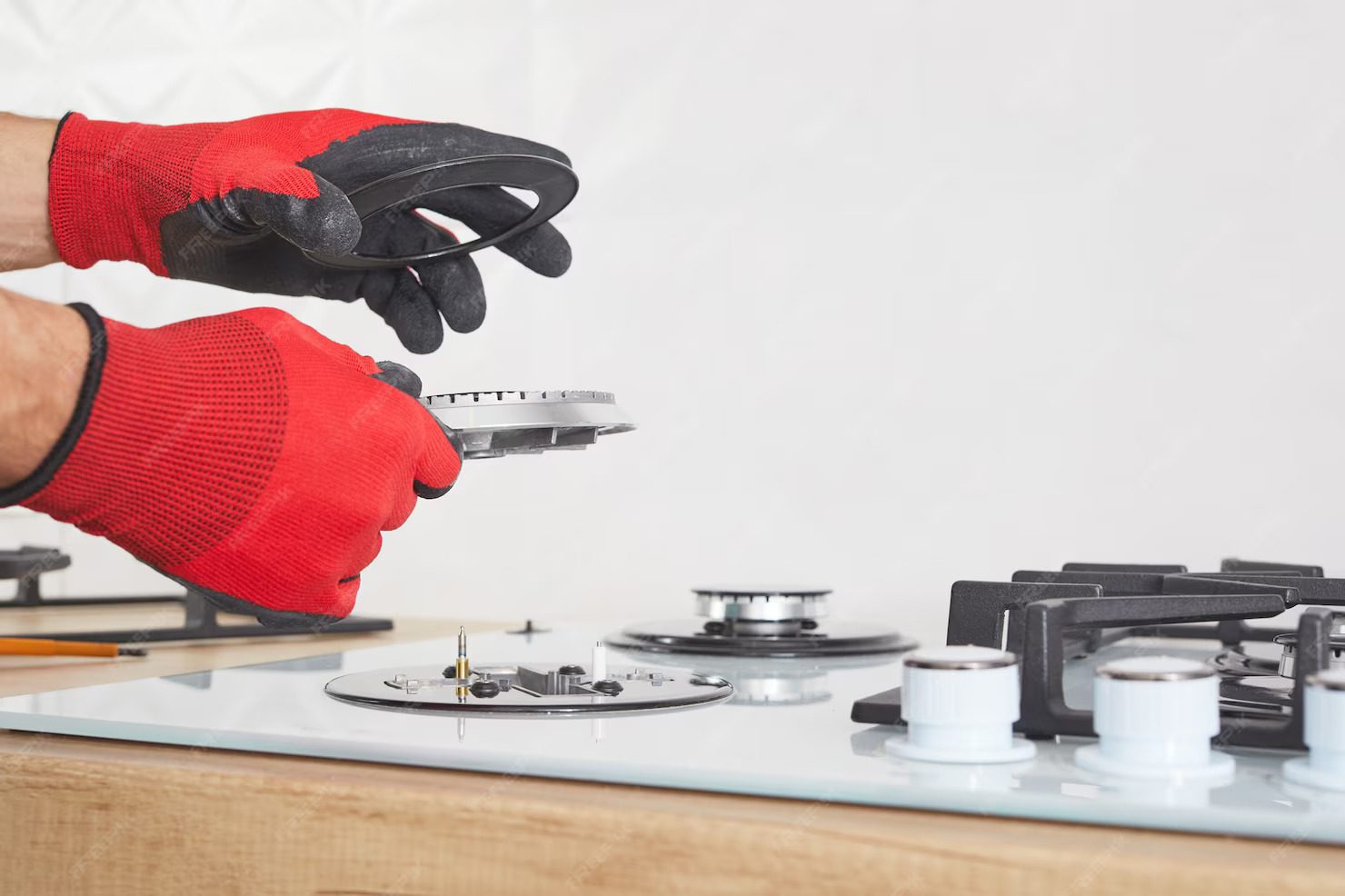
Sometimes, a “leak” is just a burner valve that wasn’t clicked all the way off or a pilot light that has blown out on an older furnace. If you are certain the smell is localized to the kitchen, a quick glance at the hob might solve the mystery.
However, if the appliances look fine, the issue could be deeper within the natural gas equipment, such as corroded pipes or a hairline crack in the gas line. If a quick five-second visual check doesn’t reveal an obvious open valve, assume it is a pipeline gas leak and exit.
Gas or Something Else? Differentiating Odours and CO Risks
Is it definitely gas? Sometimes sewer gas or even decaying organic matter can mimic that gas odor. Industry experts often suggest using a Scratch and Sniff card provided by utilities to learn the exact scent of mercaptan. It is also vital to distinguish a leak from Carbon Monoxide (CO). While gas leaks smell like sulfur, CO is a “silent killer” because it is completely odorless.
This is why having both gas detectors (for methane) and CO alarms is non-negotiable for appliance safety. If you hear a roaring sound or see bubbling water near your service line, you are likely dealing with a high-pressure natural gas pipeline breach.
Who to Contact: Emergency Services, Landlord, and Gas Safe Engineer
Once you are safe, your first call should be to the emergency services (911 or your local equivalent) or the gas company emergency line. They will dispatch emergency responders or a field service representative to make the area safe. If you are a tenant, notify your property owner or landlord immediately after the authorities.
Finally, while the gas company will “make safe” by capping the leak, they often won’t repair your internal appliances. For that, you’ll need a gas safety professional or a licensed plumber who is certified to work on gas line repair.
If Symptoms Appear: Headache, Nausea, Dizziness
Physical symptoms are a major red flag that the odorant concentration is high or that incomplete combustion is occurring. If you or your family members experience a sudden headache, nausea, or dizziness, you may be suffering from the effects of gas inhalation or CO poisoning. If you feel lethargic or “spaced out,” do not try to “tough it out.” Get to fresh air immediately. Inform the first responder that you are symptomatic, as you may require medical evaluation to check your oxygen saturation levels.
After the All-Clear: Inspection, Repairs, and Safety Testing
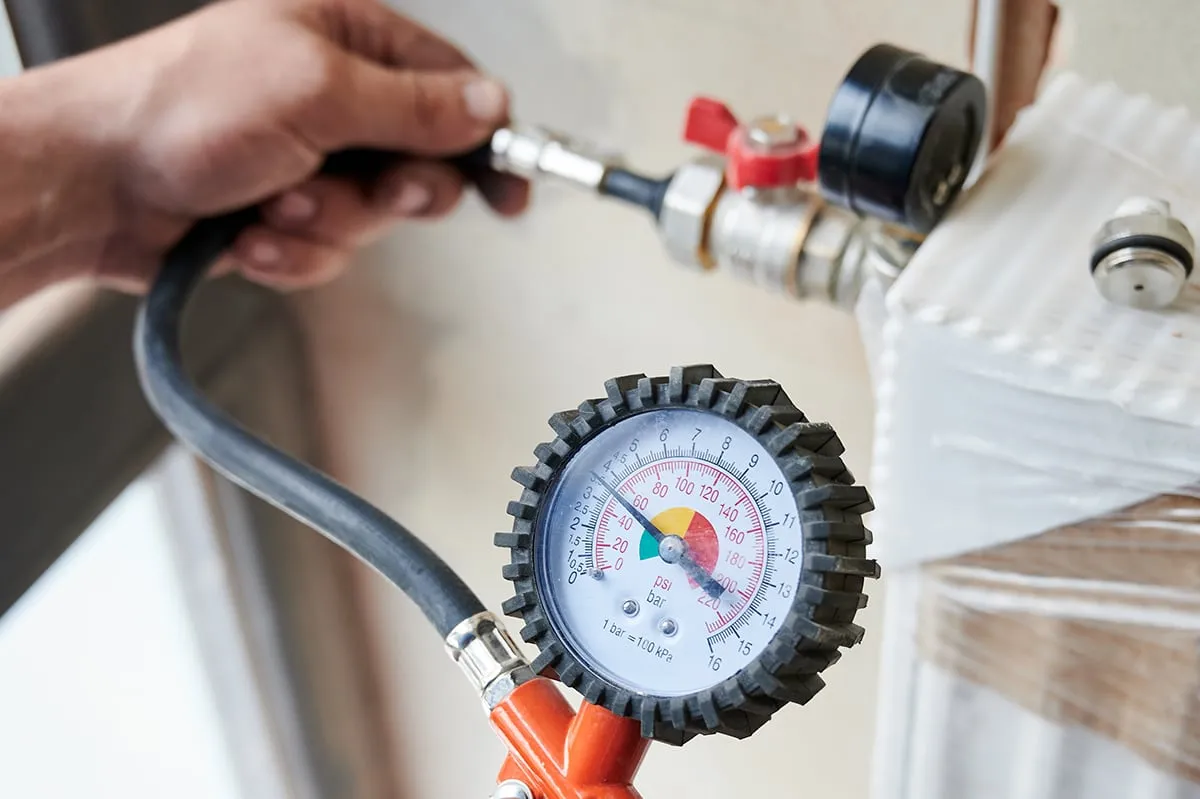
Once the professional technicians have repaired the leak, they will conduct gas detection tests to ensure the system holds pressure. This usually involves a “tightness test” on the gas facilities to ensure no other pipeline leaks exist.
Don’t be surprised if the technician checks your automatic shutoff valves and ensures all safety standards are met before turning the gas back on. This is the time to ask about the condition of your gas lines.If the leak was caused by age, it might be time to consider a partial repipe to prevent future issues.
Preventive Measures: Routine Servicing and Home Safety Checklist
The best way to handle a gas leak is to prevent one. Home safety starts with an annual inspection of all natural gas equipment.
- Install residential methane detectors near sleeping areas and the kitchen.
- Ensure dead vegetation or blowing dirt near your outdoor pipes (signs of underground leaks) are reported via call 811.
- Schedule a yearly boiler and appliance service.
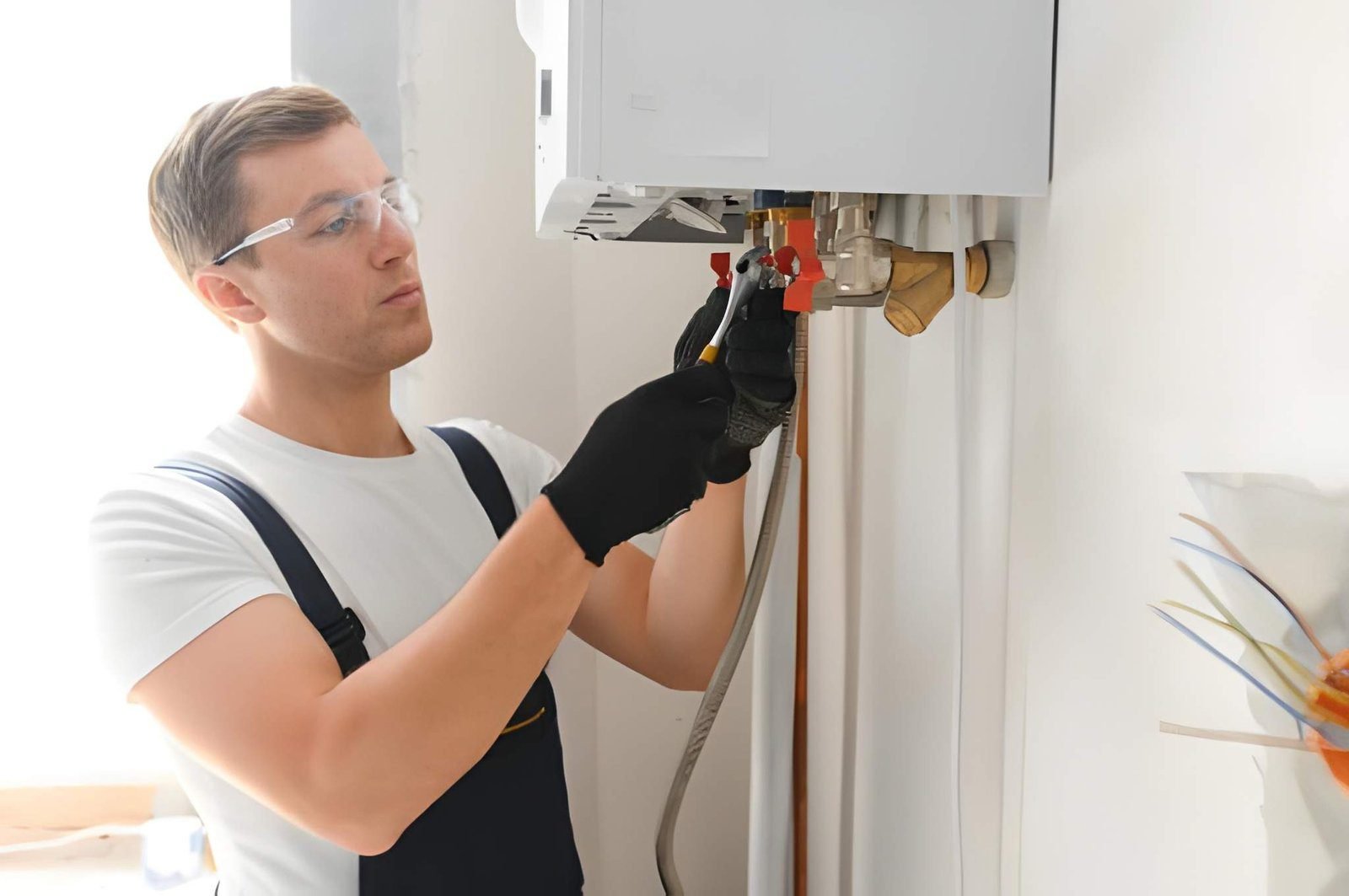
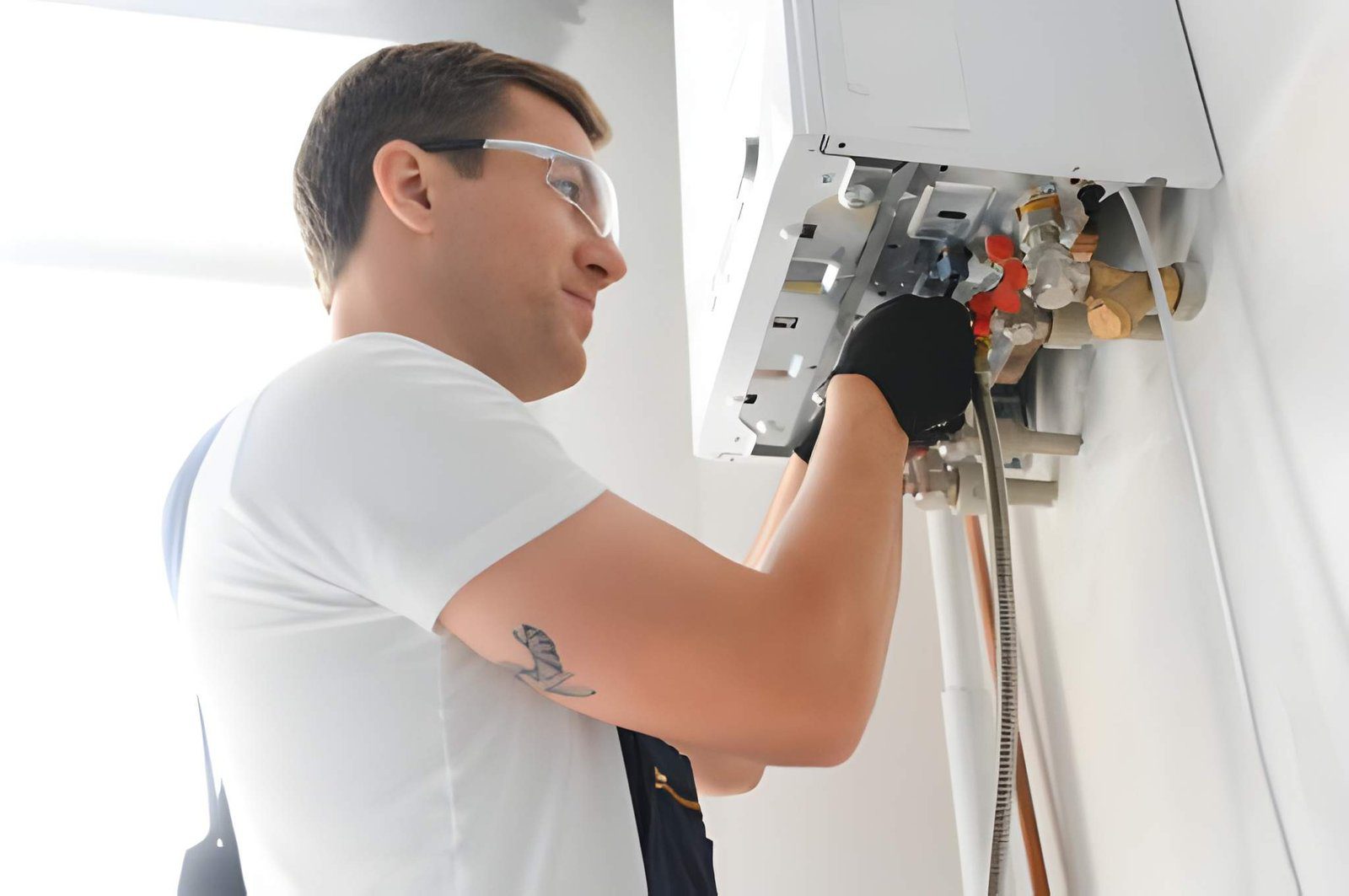
At Pro Boiler Care Limited, our gas safety professionals specialize in comprehensive inspections and repairs. From testing your pilot light to ensuring your gas lines meet modern gas pipeline safety codes, our team provides the expert touch needed to keep your home efficient and secure.