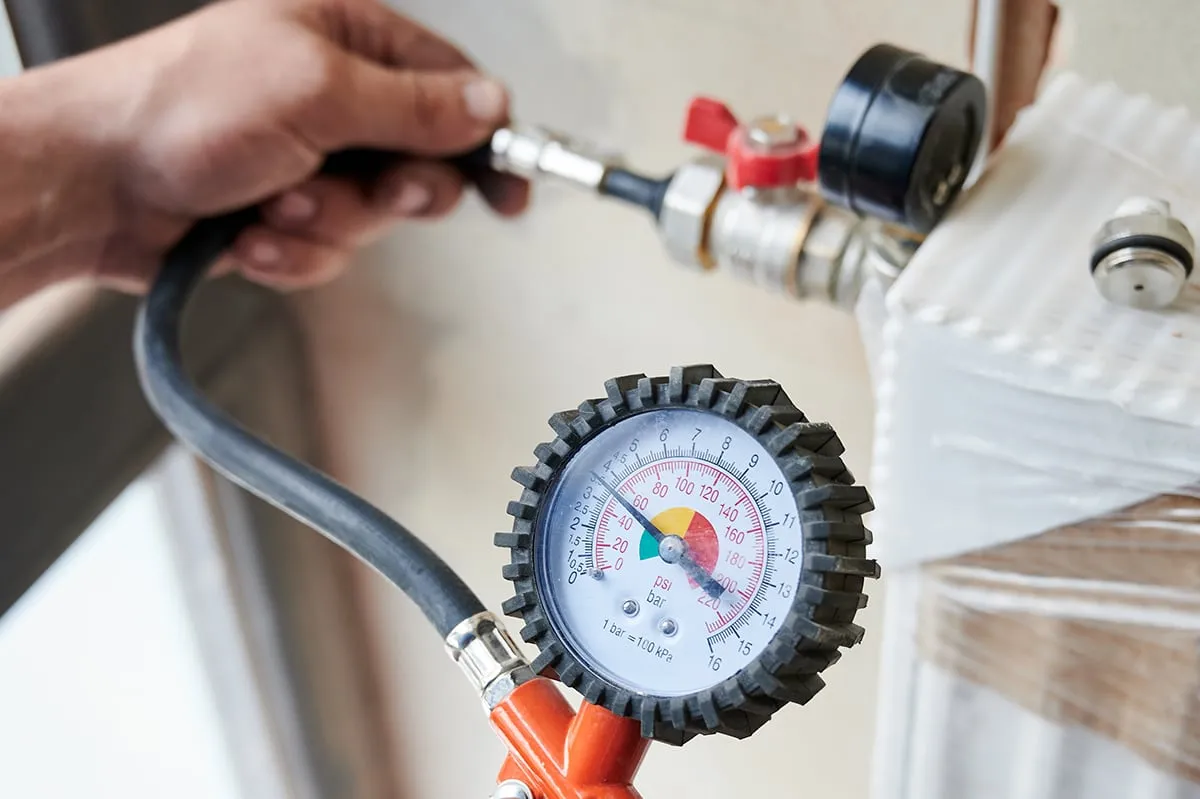
Coming home to a freezing house or no hot water can often be traced back to a simple issue with boiler pressure. If you check your pressure gauge and see the needle hovering near zero, your heating system has lost the water pressure it needs to circulate warmth.
While most modern combi boilers are designed to shut down safely when pressure drops, constant pressure loss is a sign of an underlying problem. Here are the five most common culprits behind a dropping pressure gauge.
Understanding Boiler Pressure and Why It Matters
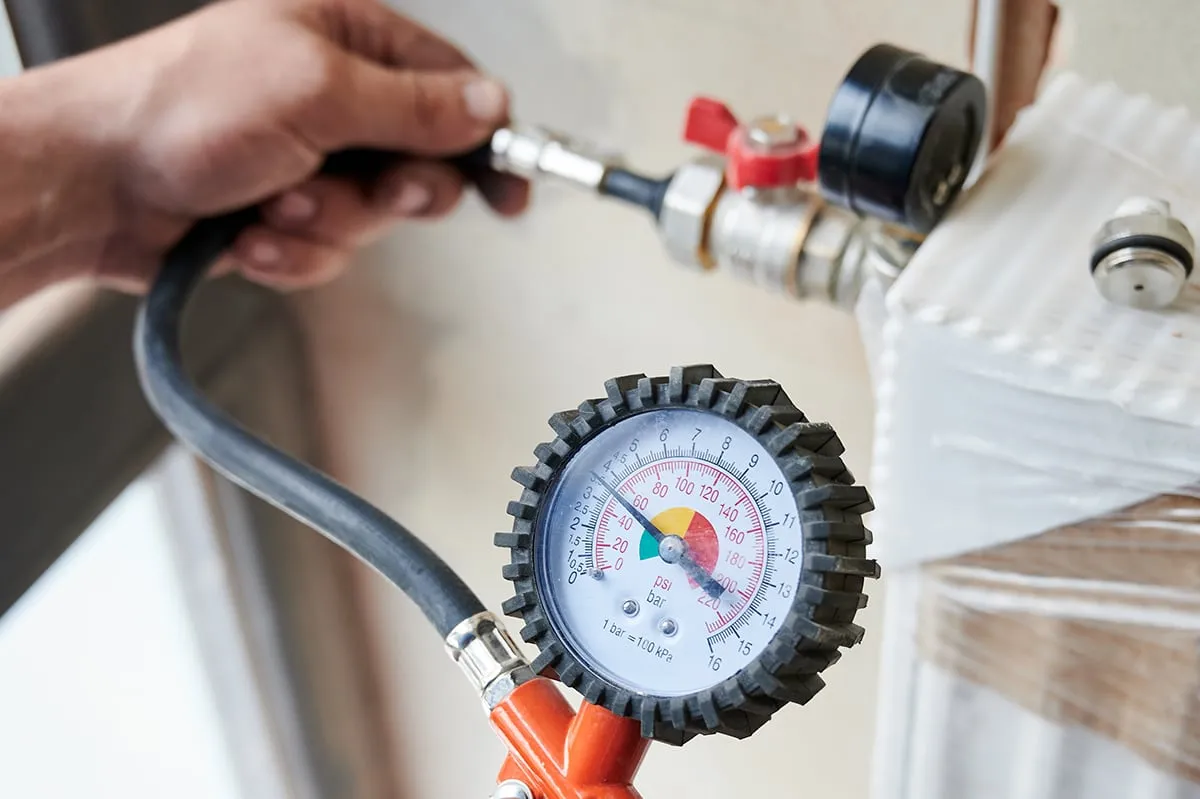
Boiler pressure refers to the balance of water and air within your sealed central heating system. For your gas boiler to operate efficiently, the water pressure typically needs to be between 1.0 and 1.5 bars when the system is cold.
If the pressure reading falls too low, the boiler may display an error code, such as the Worcester Bosch F1 fault code, and stop working entirely. Maintaining the correct pressure range prevents extra strain on system components and ensures the heat exchanger can transfer heat to your hot water radiators and towel rails effectively.
Culprit #1: Leaks in the Heating System or Pipework
The most frequent cause of pressure loss is a leak in the system. Because a central heating system is a sealed loop, even a tiny pinprick leak can lead to a gradual pressure drop over several days.
Look for water stains on ceilings, damp patches around radiator valves, or discoloured paint on skirting boards. If you cannot see visible water leaks, a leak detection company may use a thermal imaging camera or tracer gas testing to find hidden pipework issues. Fixing these leaks quickly is vital to prevent long-term water damage to your home.
Culprit #2: Bleeding Radiators Incorrectly or Too Often
Bleeding radiators is a common maintenance task used to remove air pockets that prevent hot water from filling the entire radiator. However, when you release air, you are also reducing the total volume of water and air in the system, which causes the water pressure to fall.
If you have recently bled all the hot water radiators or heated towel rails in your home, you will almost certainly notice a pressure drop on your pressure gauge display. You must repressurise the system using the filling loop after bleeding to restore the correct pressure level.
Culprit #3: Faulty Pressure Relief Valve (PRV)
The pressure relief valve is a safety device designed to release water if the system pressure becomes too high. If the PRV (pressure relief valve) becomes faulty or filled with sludge build up, it may fail to seal properly. This results in constant drip occurrences from the pressure-relief pipe, which is usually found on the outside wall of your property.
A leaking PRV will cause a steady pressure failure code as water slowly escapes the system. Replacing a faulty PRV is a standard task for a qualified gas engineer.
Culprit #4: Expansion Vessel Problems
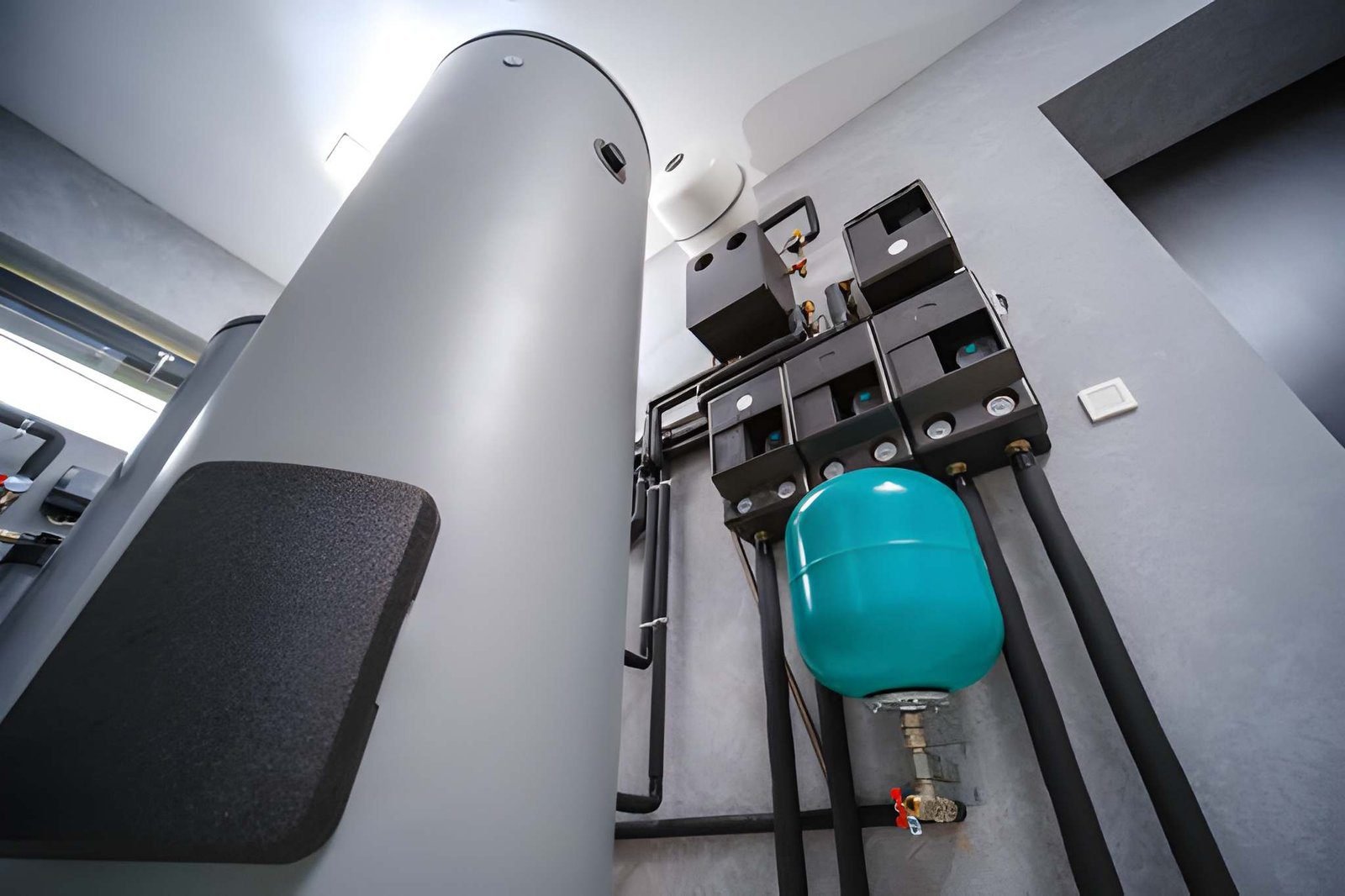
The expansion vessel manages pressure fluctuations by absorbing the pressure rise as water expands when heated. Inside the vessel is a rubber diaphragm with air on one side; if this air seeps away or the diaphragm fails, the vessel cannot absorb the water expansion.
This causes the system pressure to swing high when the heating is on, often triggering the PRV to discharge water. Once the system cools, the pressure drops low again, often leading to a boiler lockout. A heating engineer can often recharge the expansion vessel with air during an annual service.
Culprit #5: Recently Installed or Repaired Components
If you have recently had a new boiler installation or replaced system components like radiator valves or diverter valves, you might experience initial pressure fluctuations. New installations often have small air pockets trapped in the pipework that eventually find their way to auto air vents or radiators.
As this air is released, the system pressure will naturally drop. Additionally, if an installation company has just performed a power flush or used inhibitor chemicals like Fernox F4, the system may take a few days to settle before the pressure reading remains stable.
How to Safely Repressurise Your Boiler
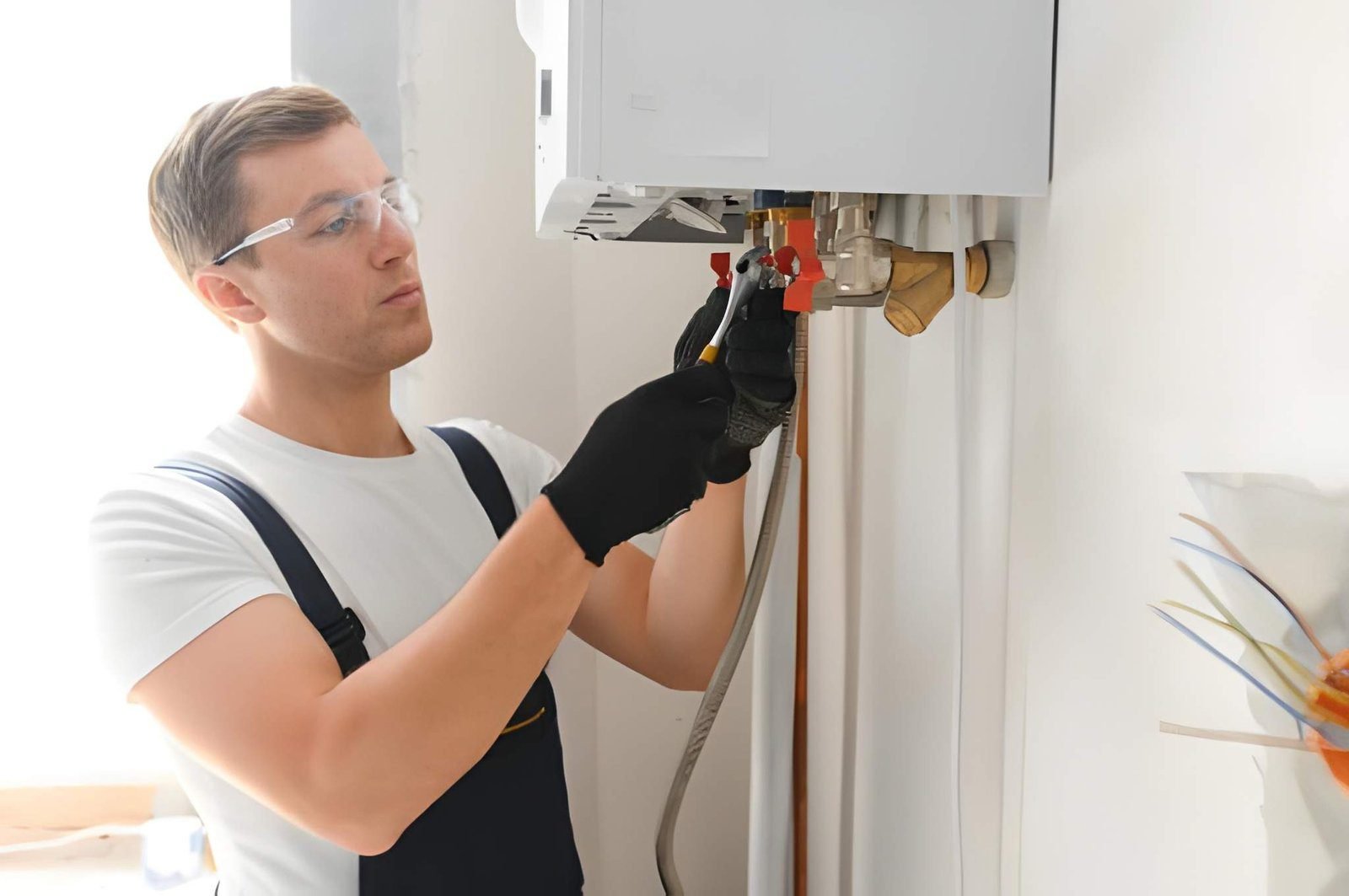
To top up the pressure, first ensure your gas boiler is switched off and cool. Locate the filling loop, which is typically a silver braided hose with two black taps underneath the boiler.
Slowly open both filling taps until you hear water flow and see the needle on the pressure gauge move into the green zone, usually 1.5 bars. Once reached, close both valves tightly and restart your boiler.
For a more detailed understanding, refer to our blog on Quick solutions for low boiler pressure.
When to Call a Gas Safe Engineer
If you find yourself performing pressure top-ups frequently, do not ignore the problem. Constant refilling introduces fresh, oxygenated water that causes rust and sludge build up. In our guide on boiler emergency breakdowns, you will find a list of quick checks you need to do before calling for help.
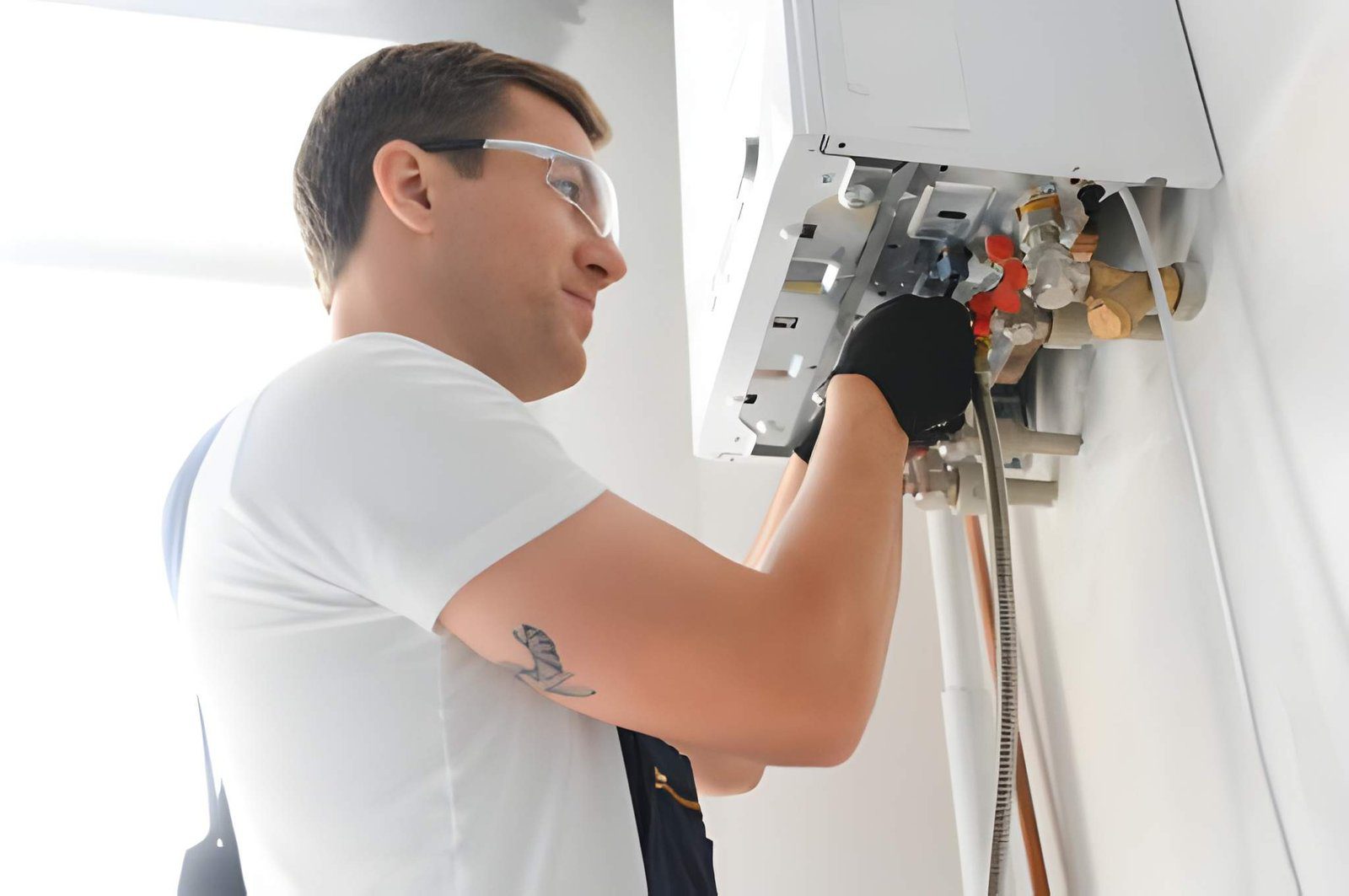
You should call a Gas Safe Registered engineer if you see an internal leak, a dripping PRV pipe, or if the pressure fluctuations continue after repressurising.
Conclusion
Low boiler pressure is a common but fixable issue that can often be resolved with a simple top-up. However, recurring pressure-related problems usually point toward a leak in the system, a faulty boiler part, or expansion vessel failure. Once you understand how your combi boiler or system boiler manages water expansion, you can spot the warning signs before they lead to expensive repair costs. Regular servicing by a gas safe engineer like those at Pro Boiler Care is the best way to ensure your heating system remains efficient and your pressure level stays within the safe operating range.