Rising energy prices have made managing home heating costs a priority for many UK homes. While a modern boiler replacement is a great long-term solution, it is not the only way to lower your gas bill.
While in some cases, replacement might be the only option, in many cases, you can significantly improve energy efficiency by optimising your current setup.
At Pro Boiler Care, we want to help you maximise your comfort while minimising your energy consumption through these simple, cost-effective home improvements.
How Your Heating System Impacts Energy Bills
Your central heating system is typically the largest contributor to your total energy usage. For most gas boilers, efficiency isn’t just about the age of the unit; it is about how effectively the heat is distributed and retained.
If heat is escaping through thin walls or trapped air is blocking your radiators, your boiler has to work harder and stay on longer. Understanding the relationship between your boiler settings and your home’s thermal envelope is the first step toward lower energy bills.
Way #1: Book an Annual Boiler Service
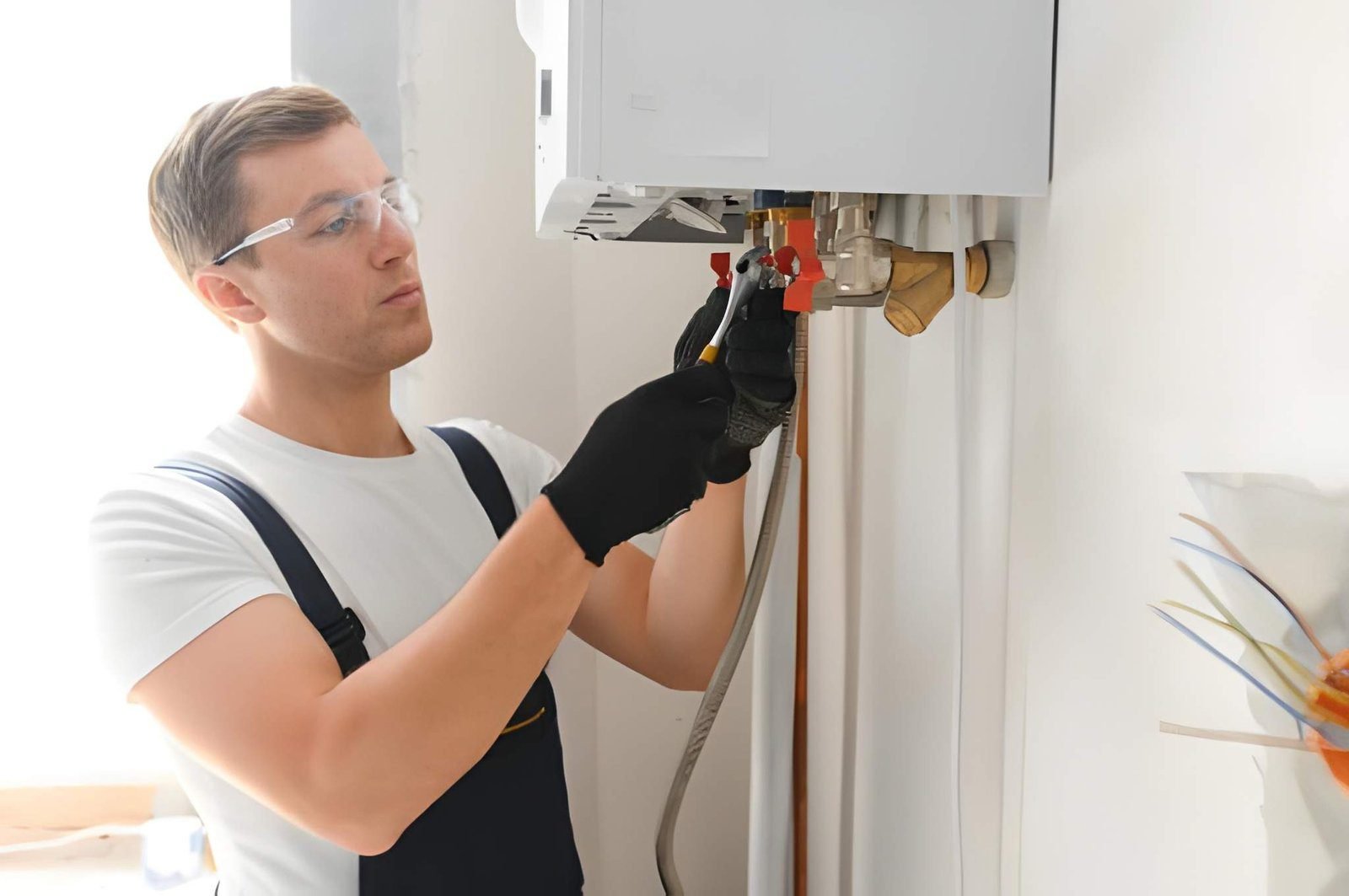
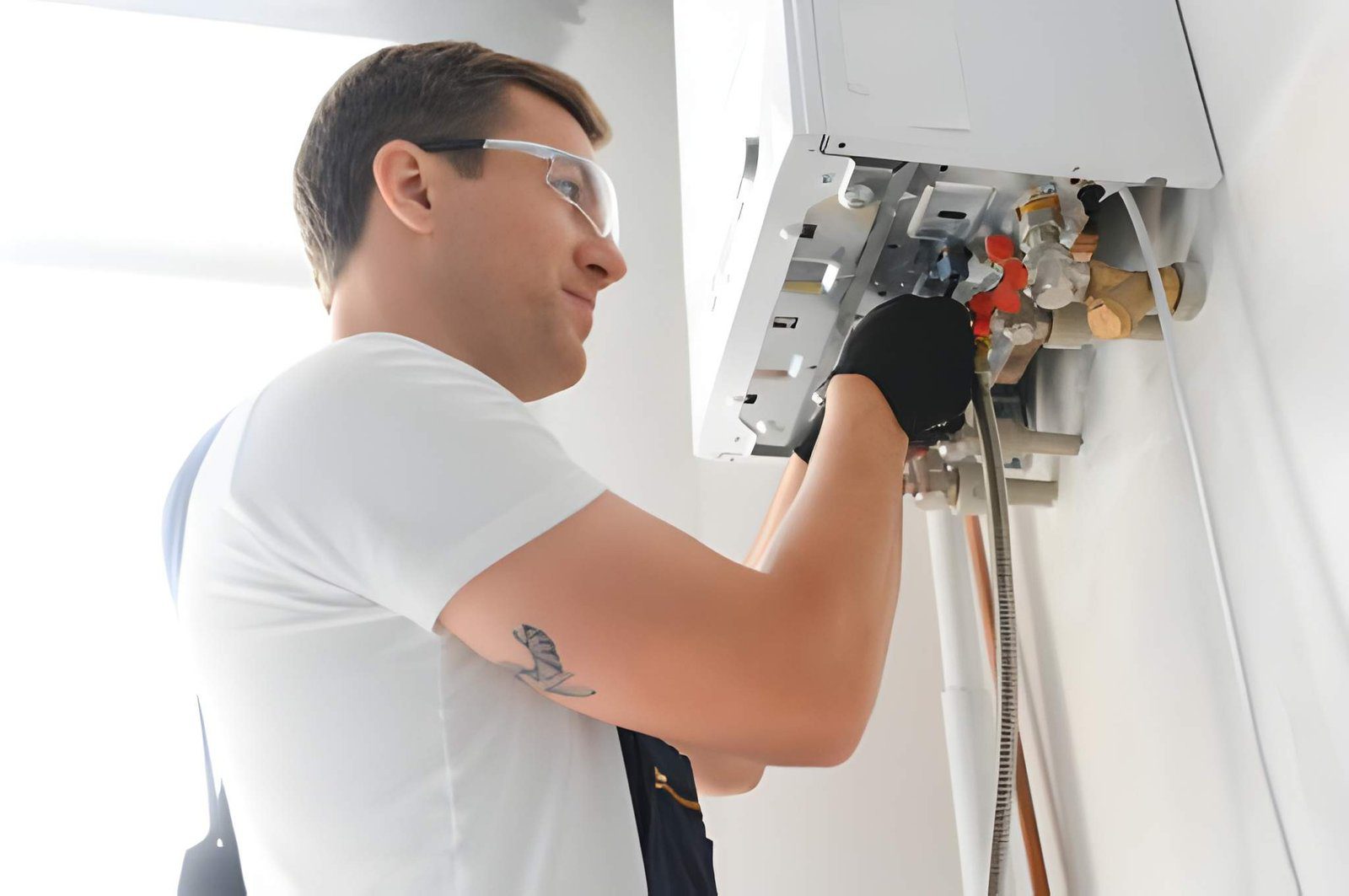
The most effective way to ensure energy efficiency is to keep your unit maintained. An annual service by a Gas Safe engineer ensures that the main components are clean and functioning correctly. Check out our guide on How to Make Your Home Heating More Efficient for more details.
During a service, we check the combustion process to ensure you aren’t wasting fuel. A well-tuned boiler can operate up to 15% more efficiently than a neglected one, directly impacting your heating bills. Regular maintenance also prevents minor issues from turning into expensive repairs.
Way #2: Use Your Thermostat More Efficiently
Many people treat their thermostat like a volume knob, turning it up to 25°C to “heat up faster.” In reality, this only makes the boiler run longer to reach an unnecessarily high temperature.
The Energy Saving Trust suggests that turning your thermostat down by just 1°C can save you around 10% on your annual gas bill. For most UK homes, a comfortable and efficient temperature range is between 18°C and 21°C.
Way #3: Install Thermostatic Radiator Valves (TRVs)
If you don’t have thermostatic radiator valves, your boiler is likely heating every room to the same temperature, regardless of use. TRVs allow you to set individual temperatures for different rooms.
For example, you can keep your lounge warm while setting the radiators in unoccupied bedrooms to a lower level. This “zoned heating” approach ensures you aren’t paying to heat space you aren’t using, providing a significant boost to your home’s energy rating.
Way #4: Bleed and Balance Your Radiators
If your radiators have cold spots at the top, they likely contain trapped air. You can use a radiator key to bleed your radiators and release this air, allowing hot water to fill the entire surface area.
Beyond bleeding, “balancing” your system ensures that heat distribution is even across the house. If radiators furthest from the boiler take longer to heat up, a system imbalance is likely wasting energy. Proper flow ensures the pump doesn’t have to work overtime.
Way #5: Improve Home Insulation and Draught Proofing
There is no point in producing heat if it immediately escapes. Simple draught excluders for doors and window film or secondary glazing for glass can make a massive difference. If you have a loft, ensuring you have at least 270mm of loft insulation is a high-impact home improvement.
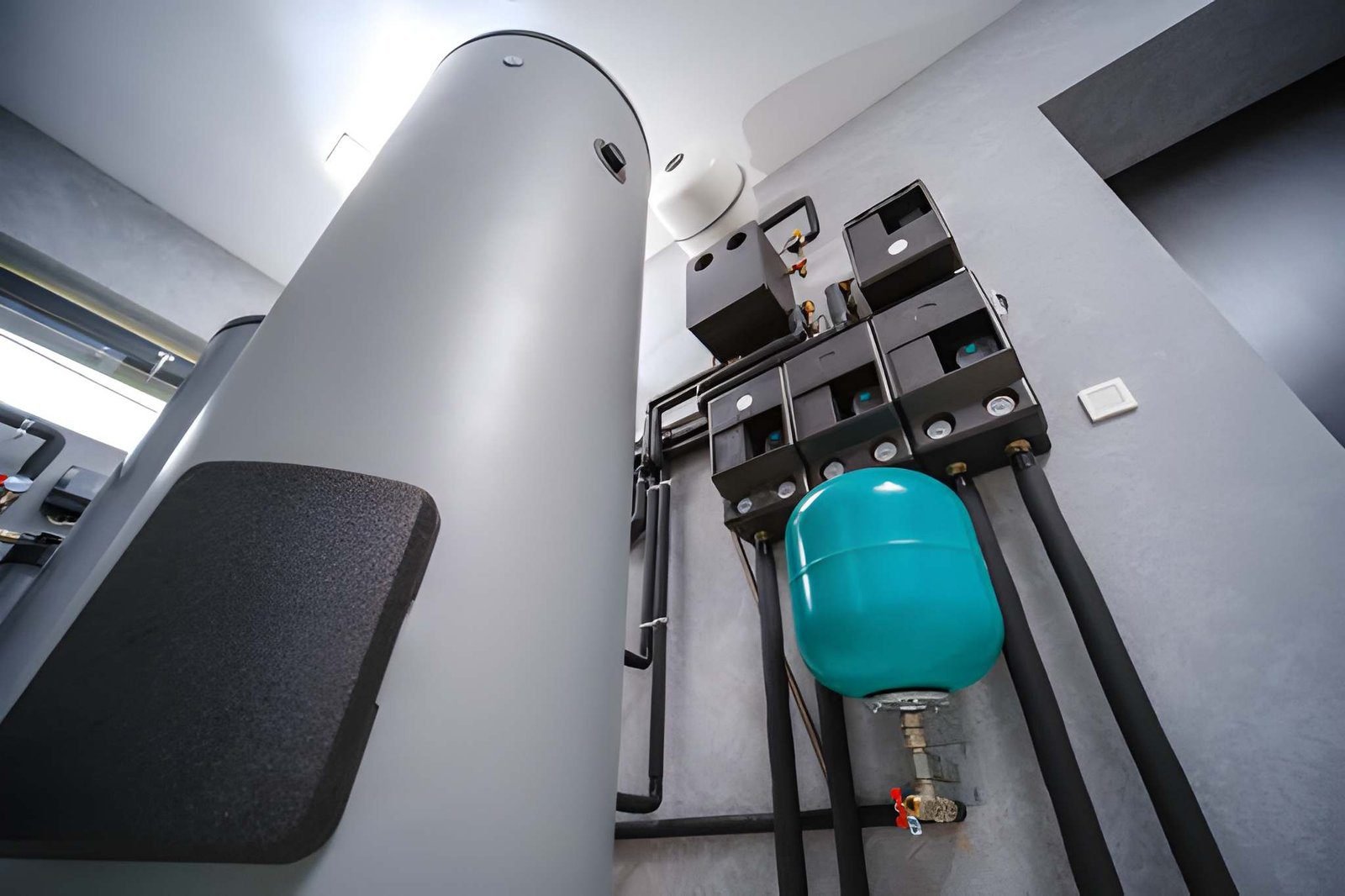
For those with a traditional hot water cylinder, fitting a hot water cylinder jacket (or an insulated jacket) can reduce heat loss by over 75%, keeping your water hotter for longer.
Way #6: Set Heating Timers and Schedules Correctly
Using a programmable thermostat or hot water controls correctly is vital. You should schedule your heating to come on 30 minutes before you wake up and turn off 30 minutes before you leave the house.
Avoid the myth that keeping the heating on low all day is cheaper; it is almost always more efficient to only heat your home when you actually need it. Proper scheduling reduces unnecessary energy consumption during the night or when the house is empty.
Way #7: Lower Boiler Flow Temperature Safely
Many combi boiler units are set to a flow temperature that is too high to allow them to operate in “condensing mode.”
You can lower your boiler flow temperature to around 60°C for heating, allowing the boiler to recover more heat from the exhaust gases. This simple adjustment to your boiler settings doesn’t require a professional and can improve the energy efficiency of a modern boiler by several percentage points without making the house feel colder.
Way #8: Keep Boiler Pressure at the Correct Level
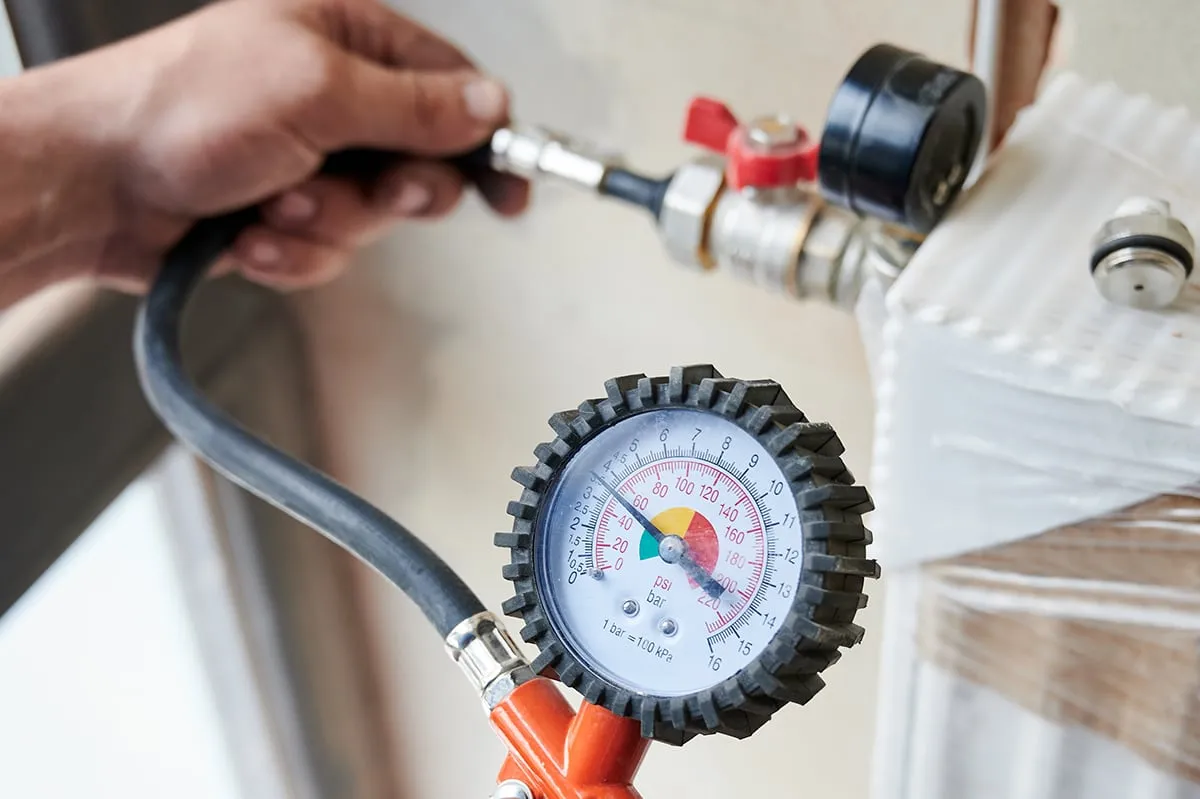
Check your pressure gauge regularly. If the water pressure is too low, the system won’t circulate heat effectively, leading to circulation issues and cold radiators. Most central heating systems should be set between 1.0 and 1.5 bar when cold.
If you notice the needle is in the red or near zero, your boiler may struggle to meet hot water demand. Maintaining the correct pressure ensures the system doesn’t have to work against resistance, saving energy and wear on the pump.
Way #9: Upgrade Heating Controls or Add a Smart Thermostat
If you are still using a basic manual dial, upgrading to smart heating controls like a Hive Thermostat or a Nest can be a game-changer. These devices use smart home technology to learn your habits and can even use GPS to turn the heating off when you leave the house.
When paired with a smart meter, a smart thermostat gives you total visibility over your energy usage, helping you spot patterns where you can cut back further.
Way #10: Change Daily Heating Habits for Long-Term Savings
Small habits add up. Avoid furniture blocking radiators, as this prevents heat from circulating into the room. Close your curtains at dusk to act as an extra layer of insulation. If you have an electric shower, try to keep your time in it under five minutes, as heating water via electricity is often more expensive than using gas central heating.
Finally, check with your energy supplier for schemes like PeakSave Sundays to see if you can shift your energy-heavy laundry tasks to cheaper time slots.
When to Call a Professional for Efficiency Improvements
While many of these tips are DIY-friendly, tasks like power flushing, internal boiler adjustments, or installing new radiator valves require a Gas Safe engineer. At Pro Boiler Care, we can help you optimise your system for maximum efficiency.
Conclusion
Reducing your heating bills doesn’t always require the high cost of a boiler replacement or the transition to ground source heat pumps. By taking a proactive approach to home improvements, such as improving loft insulation, bleeding radiators, and optimising your boiler flow temperature, you can see an immediate reduction in your gas bill.
As the UK moves toward the Future Homes Standard and Net Zero, making these small changes today prepares your home for a more sustainable future. Contact Pro Boiler Care today to book your efficiency service and start saving.