Buying a new home is likely the biggest investment you will ever make, yet many buyers move in without knowing if their heating system is a ticking time bomb. While a standard home survey is essential, it often only skim-reads the condition of the boiler.
A dedicated Home Heating Survey provides the technical depth needed to ensure your central heating is safe, efficient, and capable of meeting your family’s future hot water needs.
What Is a Heating Survey and What Does It Include?What Is a Heating Survey and What Does It Include?What Is a Heating Survey and What Does It Include?
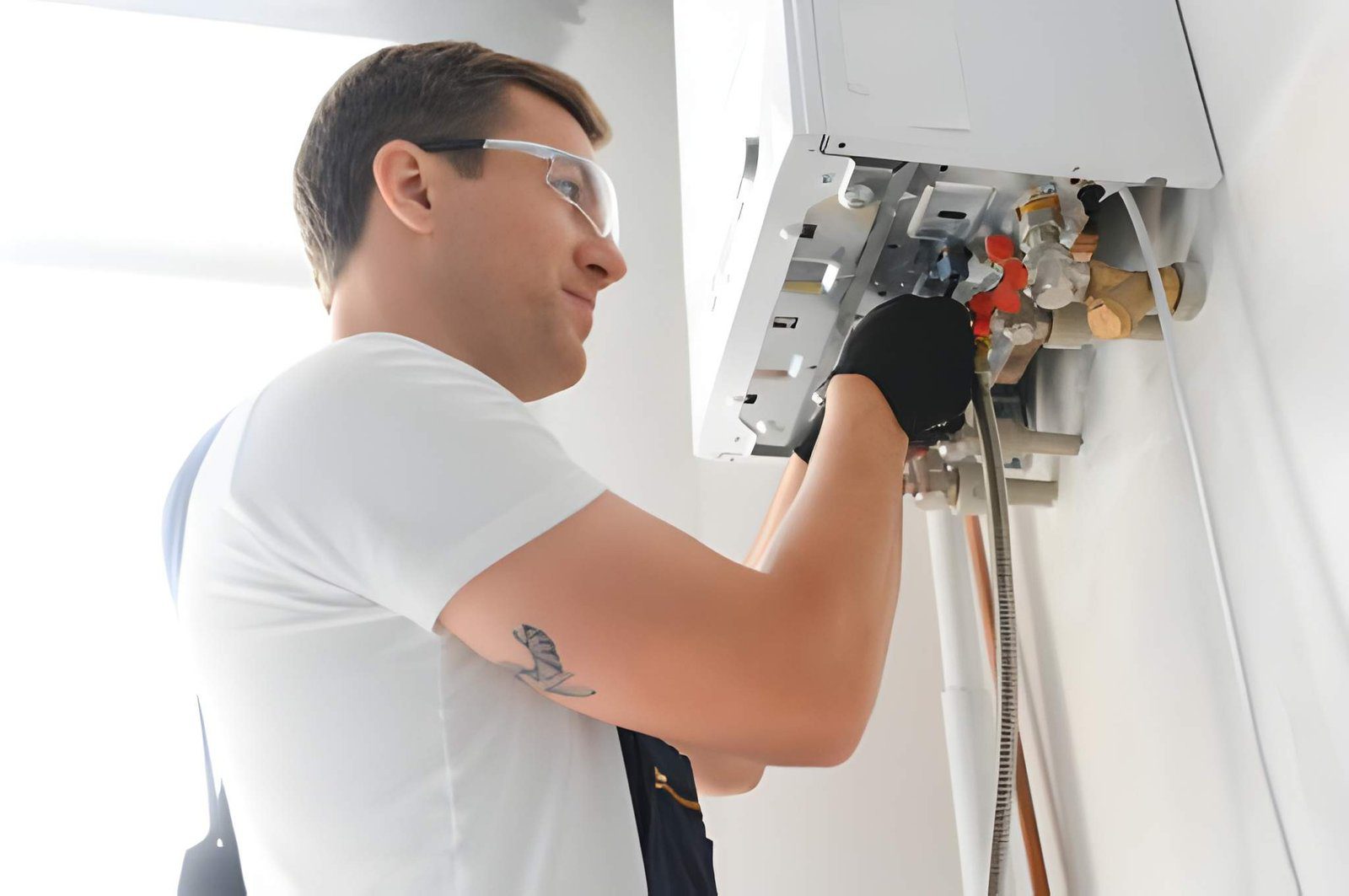
A heating survey is a specialist inspection of every component in your property’s heating system. Unlike a general visual assessment, it includes a detailed report from Gas Safe Engineers on the boiler’s age, internal condition, and efficiency. The survey covers:
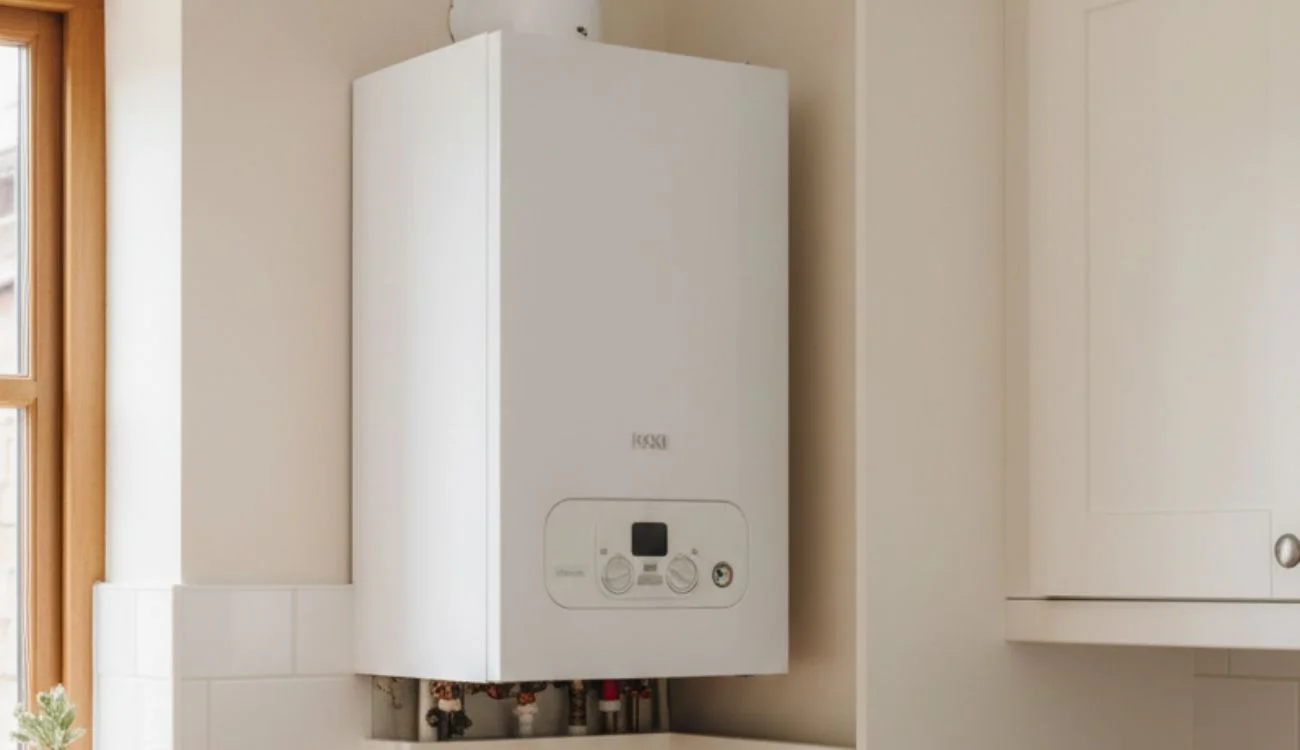
- The Boiler: A check of the heat exchanger, burner, and boiler flue.
- System Design: Assessing if radiators are correctly sized for each room’s heat load.
- Visible Pipework: Checking for corrosion or leaking pipes.
- Hot Water Systems: Evaluating hot water cylinders, immersion heaters, and attic tanks.
- Controls: Testing smart heating controls or thermostatic radiator valves.
Why Boiler and Heating Systems Are Often Overlooked in Home Surveys
Most home buyers rely on a Royal Institute of Chartered Surveyors (RICS) Level 2 or 3 report. While these surveys are excellent for spotting subsidence or damp, they only offer a “visual observation” of the heating system.
General surveyors do not dismantle the gas boiler, test gas tightness, or perform a flue gas analysis. They might note if a boiler looks dated, but they cannot legally certify its safety or confirm it won’t fail the week after you move in.
Hidden Heating Issues That Can Cost New Homeowners Thousands
Without a specialist heating engineer, expensive problems can remain hidden behind walls or floorboards. Common issues found by local trade experts include:
- Sludge and Corrosion: Debris in the system that causes kettling noises or cold spots in radiators.
- Incorrect Flue Installation: Dangerous flue routes that don’t meet modern Building Regulations.
- Internal Leaks: Minor drips inside the casing that eventually destroy the consumer unit or electrical appliances.
- Undersized Systems: A boiler that lacks the power to heat a loft conversion or a block of flats extension.
- Failing Heat Pumps: Poorly installed air-source heat pumps that lead to massive energy bills.
How a Heating Survey Protects You Before Exchange of Contracts
A central heating survey acts as a vital “snagging list” for pre-owned homes. By identifying risks before the exchange of contracts, you avoid inheriting the seller’s neglected maintenance costs.
If the survey reveals a faulty pressure sensor or an aging heat exchanger, you have the evidence needed to protect your investment. It provides a fixed price estimate for any necessary repairs, giving you a clear financial picture of your potential new home before you are legally committed.
Boiler Age, Efficiency, and Compliance Checks
Modern UK households are increasingly focused on energy efficiency. A survey will check if the boiler has an ErP 90% efficiency rating or if it’s an old non-condensing model that only operates at 60% efficiency.
Engineers also verify the Energy Performance Certificate (EPC) accuracy and check if the unit meets current gas safety assessments. In older properties like Victorian terraces, they ensure the gas meter and gas piping comply with safety standards, including checking for proper ventilation and an appropriate boiler flue.
Radiators, Pipework, and System Design Assessment
A heating engineer performs a Heat Load Calculation to ensure the radiators can maintain thermal comfort throughout the thermal envelope of the house. They look for insulation gaps in the attic tanks or spray foam insulation that might be blocking ventilation.
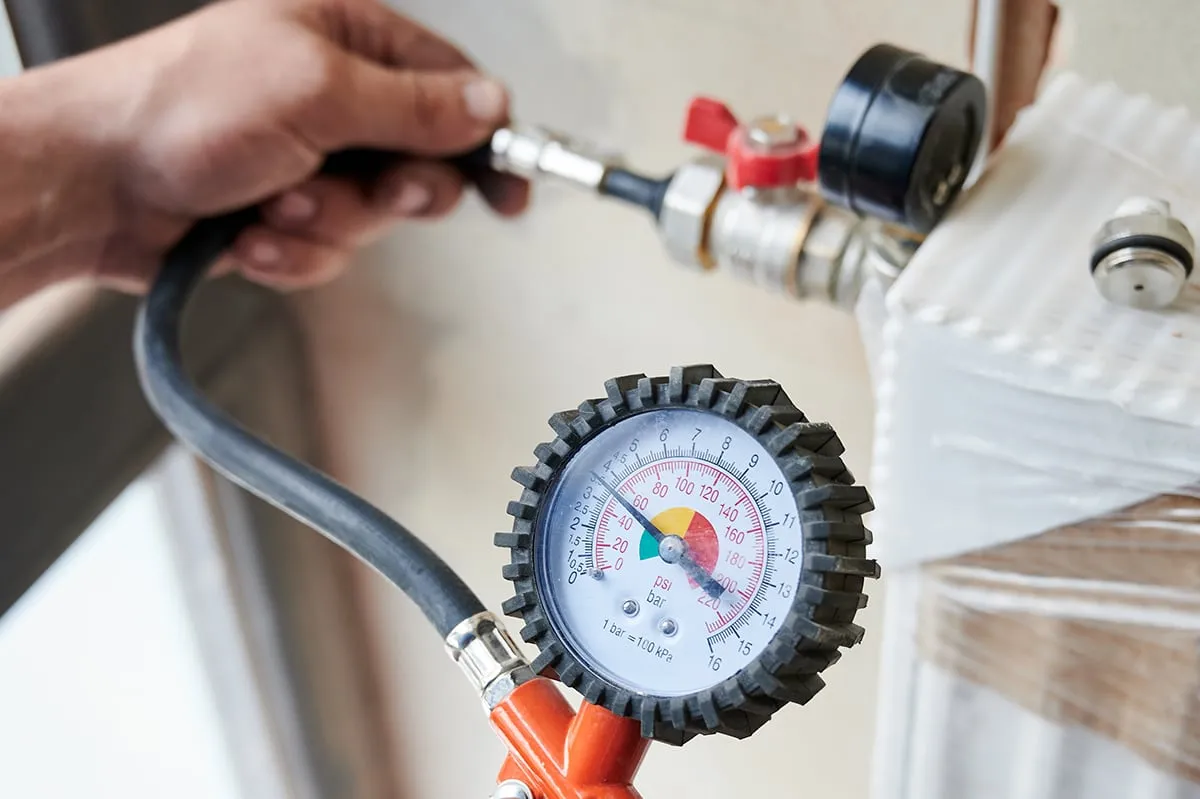
In listed buildings, they assess if infrared panels or Herschel Infrared heating might be a more suitable cost-effective upgrade. The survey also includes a Water Pressure Check to ensure the hot water tank can provide enough pressure for all sanitary ware in the home.
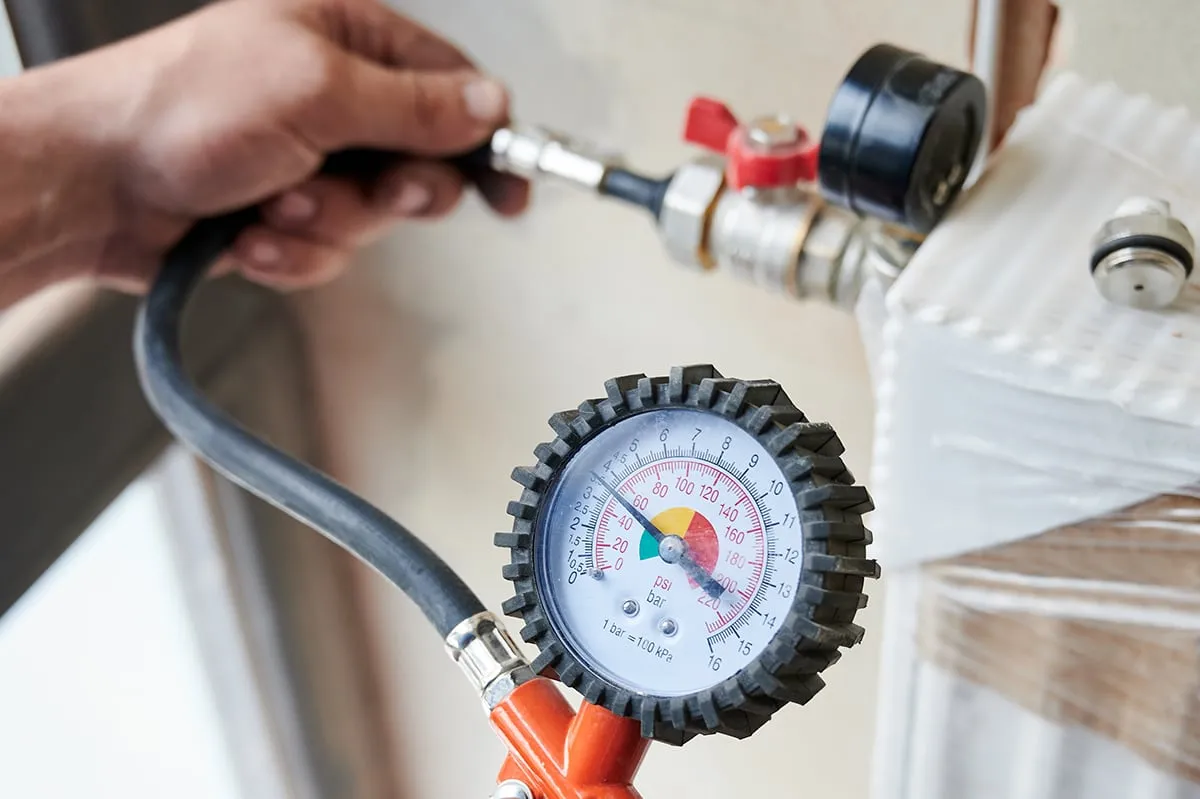
Safety First: Gas, Pressure, and Ventilation Checks
Safety is the primary reason to instruct Gas Safe registered engineers. They check for carbon monoxide risks and ensure the thermal performance of the flue is safe.
Specialist thermal imaging or a thermal camera can be used for thermal scanning of floors to find hidden leaks in underfloor heating. These checks verify that the thermal mass of the building is being heated safely without risking the occupants’ health.
When to Request a Heating Survey During the Buying Process
The best time to request a survey is after your initial home survey highlights any heating-related “red flags”. Ideally, this should be done before you sign the exchange of contracts.
With a next day service often available in South West London and surrounding areas, you can get a professional report quickly to keep the buying process moving without delay.
Using the Survey to Negotiate Price or Repairs
If the report identifies significant defects, such as a boiler replacement need, you can renegotiate the sale price. Buyers often use fixed price repair quotes to ask the seller for a reduction or to have the work completed before completion. This evidence-based approach makes it much harder for sellers to dismiss your requests during negotiations.
Conclusion
A heating survey is a small price to pay for the peace of mind that your new home will be warm and safe from day one. While an Energy Performance Certificate gives a general idea of energy use, only a specialist engineer can provide a true bill of health for your current heating system.
Before you commit to your new home, contact Pro Boiler Care for a comprehensive central heating survey. Check our Google Reviews to see how we’ve helped home buyers avoid costly surprises and ensure their new properties are energy-efficient and zero-carbon ready.