Rising energy costs and environmental concerns have made heating efficiency a top priority for every homeowner.
Now, even though the government has scrapped its plans to ban gas boilers by 2035, many are still transitioning to low-carbon heating systems like an electric heat pump because of their energy efficiency.
At Pro Boiler Care, we believe that optimizing your home’s warmth doesn’t always require a total system overhaul. By combining expert maintenance with smart daily habits, you can significantly lower your carbon footprint and keep your energy bills under control.
Know Your System: Boiler, Controls, and Heat Source Basics
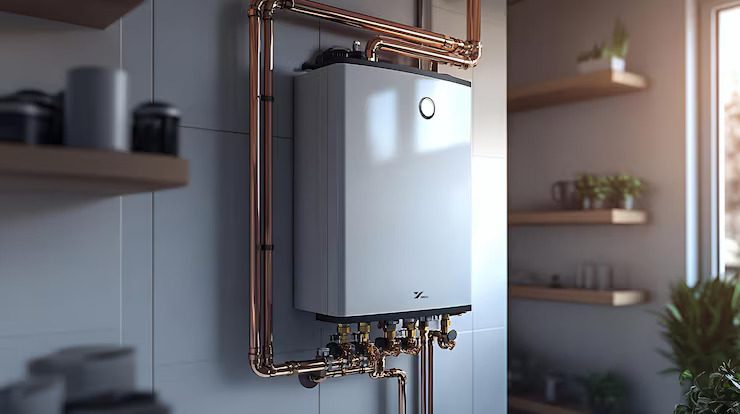
Efficiency starts with understanding your equipment. Most UK homes rely on a fossil fuel heating system, typically a gas boiler.
However, whatever system you might have, you need to understand your heating controls to make it more efficient. Knowing how your smart meter or smart electricity meter interacts with your heating solutions is the first step toward better energy efficiency.
Boiler Efficiency: Servicing, Settings, and Upgrades
If you use gas boilers, the simplest way to boost energy efficiency is by lowering the boiler flow temperature. Most boilers are factory-set too high; lowering the flow to 60°C (or 55°C for combi boilers) ensures the unit stays in “condensing mode,” potentially saving up to 12% on gas.
Furthermore, annual servicing by a certified engineer is non-negotiable. An annual check-up ensures the pilot light, condensate pipe, and pressure relief valve are all functioning perfectly, preventing a sudden boiler breakdown.
Smart Thermostats and Zoning for Targeted Comfort
Old-fashioned dial thermostats are often inaccurate. Upgrading to a smart thermostat with smart controls, such as the EvoLink Smart, which allows you to heat only the rooms you are using. This is known as “zoning.” By integrating wireless heating and weather compensation (which uses outdoor sensors to adjust heat based on the actual temperature outside), your system avoids the energy waste of overheating on mild days.
Radiator Performance: Bleeding, Balancing, and TRVs
Your radiators are the final delivery point for heat. If they have cold spots at the top, they need bleeding. If they are warm at the top but cold at the bottom, you may need power flushing to remove sludge. For better energy-saving measures, install Thermostatic Radiator Valves (TRVs). These allow you to set different temperatures for each room, ensuring the guest bedroom isn’t as toasty as the lounge.
Insulation and Draught-Proofing: Keeping Heat In
Even the most efficient air source heat pumps will struggle if your home is “leaky.” Improving your home’s energy efficiency starts with a “fabric-first” approach.
- Insulation: Solid wall insulation and loft top-ups are vital.
- Draught-Proofing: Use solar control film on windows and seal gaps around doors.
Grants: Look into the Great British Insulation Scheme or the Energy Company Obligation (ECO4) for funding.
System Pressure and Water Quality: Inhibitors, Filters, Flushing
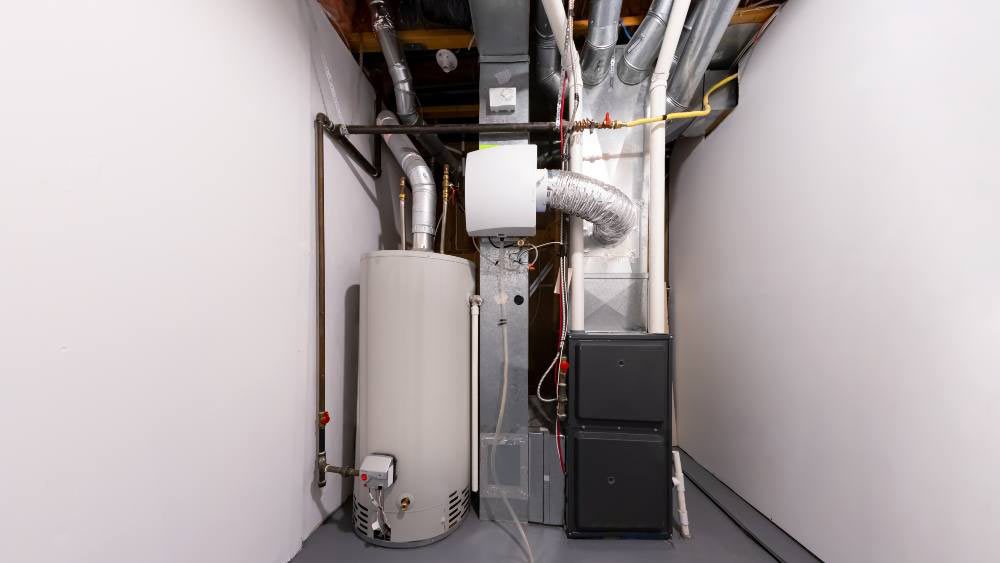
Internal water quality directly impacts your central heating system. Over time, corrosion creates “black sludge” that acts as an insulator, forcing the boiler to work harder. We recommend professional system testing and the addition of chemical inhibitors. If you suspect pressure loss, here are some quick fixes to try.
If you install magnetic filters during your boiler installation or service, they help trap metallic debris, protecting the heat exchanger and extending the system’s life.
Hot Water Efficiency: Cylinder Temps, Timers, and Insulation
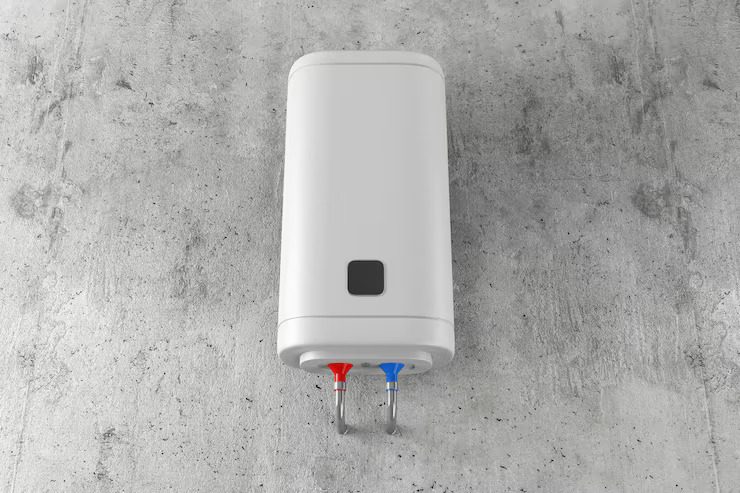
If you have a hot water cylinder, ensure it is fitted with a British Standard jacket at least 80mm thick. This reduces standby heat loss by up to 75%. Set your cylinder thermostat to 60°C which is high enough to kill Legionella bacteria but low enough to maximize energy efficiency.
For those with solar thermal or solar panels, you can even use an immersion heater diverter to heat your water for free using excess sun power.
Smarter Scheduling and Habits: Setpoints, Doors, and Curtains
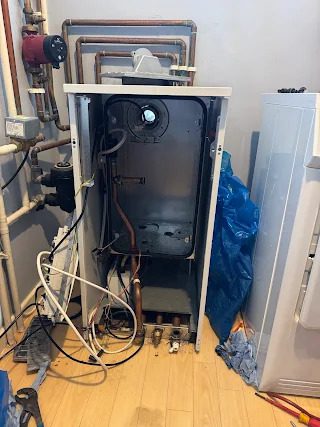
Don’t wait for a total breakdown. The best time for a replacement boiler is during the summer or spring when heating engineer schedules are more flexible. A standard “like-for-like” swap usually takes one day, while a full system conversion (e.g., moving from a regular boiler to a combi) might take two to three days. During this time, the system needs to be flushed to remove “sludge” and debris, ensuring your new heat exchanger isn’t damaged by old contaminants in the pipework.
Budgeting, Warranties, and Grants/Finance Options
Behavioral changes cost nothing but yield high energy-saving upgrades.
- Setpoints: Turning your thermostat down by just 1°C can save 10% on your bill.
- Curtains: Close them at dusk to act as a thermal barrier.
- Doors: Keep internal doors closed to maintain the “zone” of heat.
Smart Tariffs: If you have a smart meter, use heat pump tariffs or off-peak windows for electric heating and electrical appliances.
When to Call a Pro: Safety Checks and ROI Quick Wins
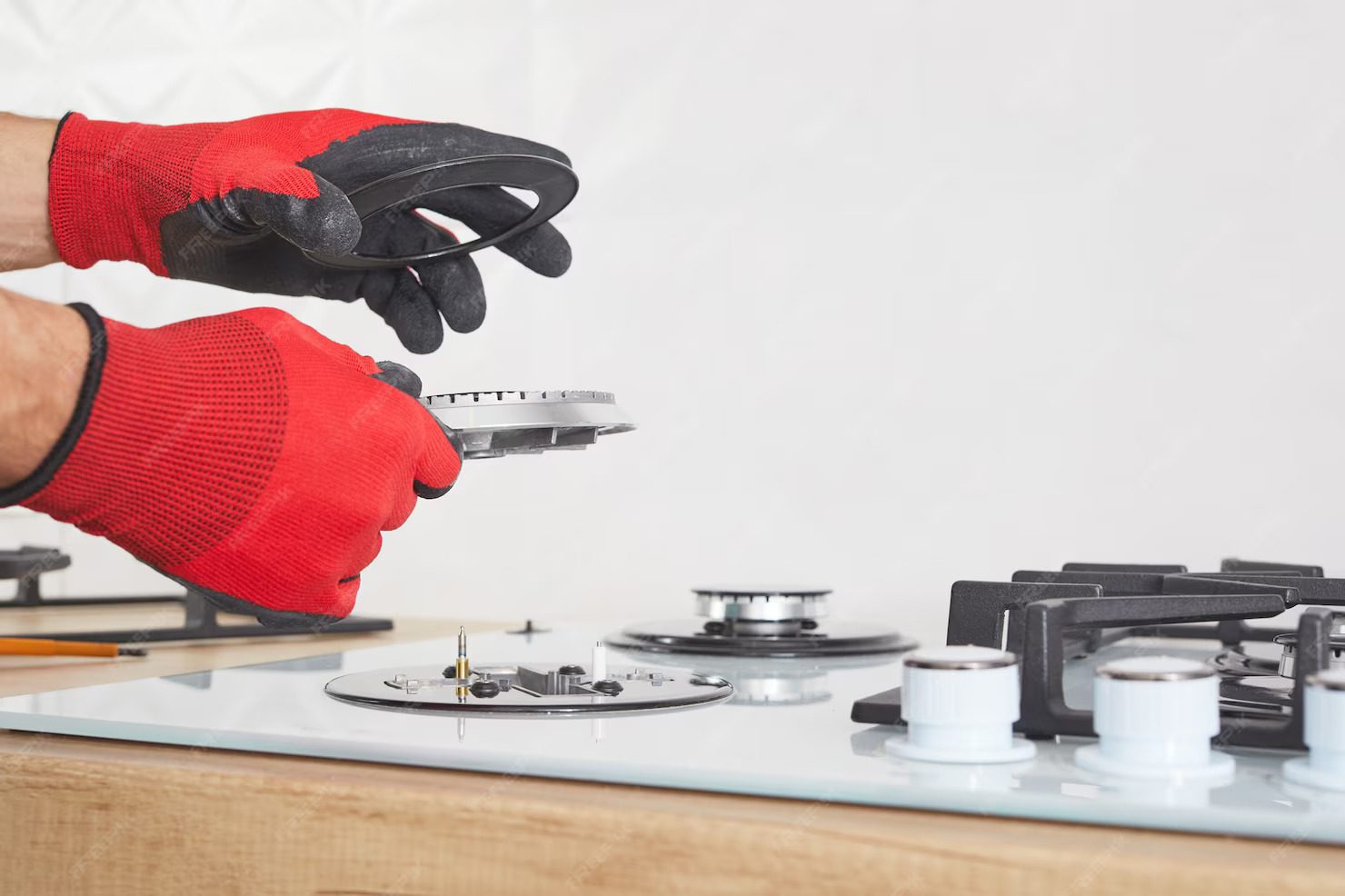
While DIY tips help, some tasks require a Gas Safe professional. Whether you need a gas safety certificate, radiator repairs, or advice on the Boiler Upgrade Scheme for a new renewable energy technology, an expert ensures safety compliance and maximum ROI.
At Pro Boiler Care, we are here to help you navigate everything from landlord gas certificates to installing low-carbon heating systems.