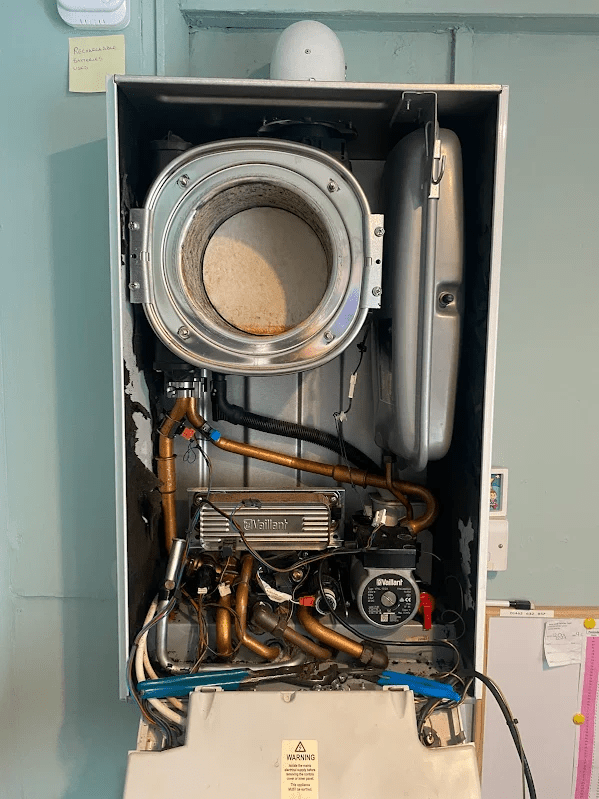
When your boiler breaks down unexpectedly in Luton, it can leave your home cold and without hot water just when you need it most. However, if you’re aware of common boiler issues, you can foresee a breakdown before it gets troublesome.
Plus, identifying problems early can potentially save you money on costly emergency repairs. However, even if you are aware of simple troubleshooting through some technical knowledge or DIY expertise, some jobs are best left to the professionals.
Knowing when to call professional heating engineers is also important. It ensures your family’s safety and prevents further damage to your central heating system. This blog covers some common boiler issues that can cause trouble and how you can fix them.
Understanding Common Boiler Problems
Luton homeowners experience various boiler breakdown scenarios throughout the year, with winter months seeing the highest frequency of heating system failures. The combination of older housing and boiler models in areas like Luton LU1 and increased demand during colder periods creates the perfect storm for boiler problems.
Hard water prevalent in Hertfordshire is another culprit. This water causes limescale buildup, reducing efficiency and damaging internal components. Additionally, irregular annual servicing allows minor issues to develop into major breakdowns. Here are some minor signs that should alert you regarding your boiler’s status:
- Unusual noises
- Inconsistent hot water temperatures
- Higher energy bills
- Strange smells.
These are minor warning signs. If you notice yellow pilot light flames instead of blue, the problem would require expert help. This sign indicates combustion problems that require immediate professional attention from Gas Safe-registered engineers.
Here are the details on some common boiler issues that occur in Luton properties:
- Low Boiler Pressure
Low water pressure represents one of the most frequent boiler issues Luton technicians encounter during service calls. This problem affects your entire central heating system’s ability to circulate hot water effectively throughout your home.
Causes of Low Pressure
Several factors cause pressure drops in your heating system. Water naturally escapes through microscopic leaks in pipes and radiators over time. Bleeding radiators to remove air pockets also reduces system pressure. Recently completed plumbing services or radiator work may have introduced air into the system, requiring pressure adjustment.
Step-by-Step Fixes
First, locate your boiler’s pressure gauge – it should read between 1 and 2 bar when the system is cold. If pressure reads below 1 bar, you’ll need to repressurise the system using the filling loop. Turn off your boiler and allow it to cool completely.
Locate the filling loop valves beneath your boiler, then slowly open both valves to allow water into the system. Monitor the pressure gauge carefully and close the valves when pressure reaches 1.5 bar. Restart your boiler and check that heating and hot water functions work properly.
- No Heating or Hot Water
Complete loss of heating or hot water service requires immediate attention, especially during Luton’s colder months when temperatures drop significantly overnight.
Common Reasons for Heating Failure
Power supply interruptions affect modern boilers with electronic controls and displays. Thermostat malfunctions prevent your boiler from receiving signals to activate heating cycles. Frozen condensate pipes, common in Luton’s winter weather, block drainage and trigger safety shutdowns. Gas supply issues, including low pressure or supply interruptions, prevent proper combustion.
Solutions You Can Try
Check your electrical supply first – ensure the boiler’s power switch is on and check your consumer unit for tripped circuits. Verify your thermostat settings and replace batteries if necessary.
Examine the condensate pipe (usually white plastic) running from your boiler exterior – pour warm water over frozen sections to clear blockages. If these steps don’t restore service, contact Gas Safe-registered heating engineers for professional diagnosis and boiler repairs.
- Strange Noises from the Boiler
Unusual sounds from your central heating system often indicate developing problems that require prompt attention to prevent costly breakdowns.
Kettling, Banging, and Whistling Explained
Kettling sounds like a kettle boiling and indicates limescale buildup on the heat exchanger, reducing efficiency and potentially causing damage. Banging noises suggest pump problems, air trapped in the system, or loose components vibrating during operation. Whistling sounds typically indicate restricted water flow through pipes or internal components.
How to Resolve the Noise Issues
For kettling issues, professional system flushing removes limescale deposits and restores proper water flow. Bleeding radiators eliminates trapped air, causing banging sounds – start with radiators furthest from your boiler and work systematically through your home.
Adjust pump speed settings if accessible, though this requires technical knowledge. Persistent unusual noises require professional fault-finding by qualified heating engineers who can identify and resolve underlying causes safely.
- Boiler Leaks
Water leaks around your boiler require immediate attention to prevent property damage and identify potentially serious system problems.
Why Boilers Leak
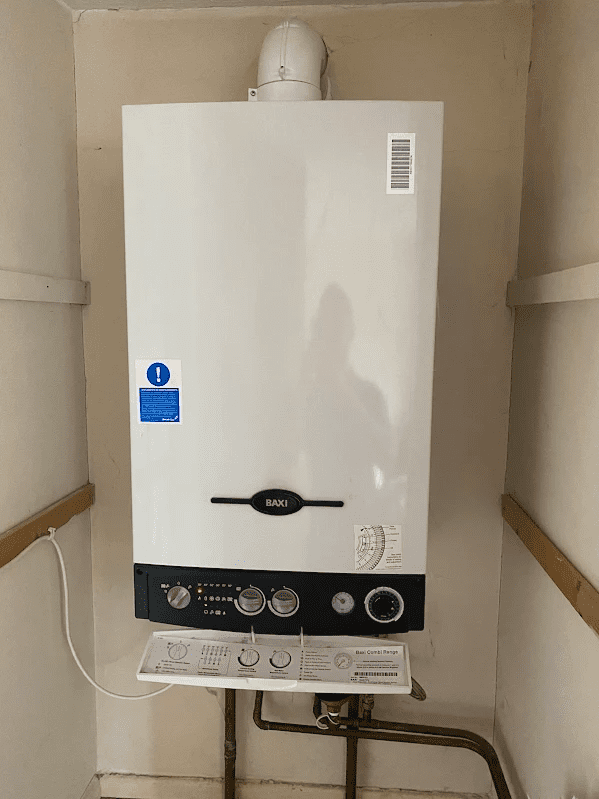
Internal component wear causes seals and gaskets to deteriorate over time, allowing water to escape. Excessive pressure in the system forces water through weak points in the pipework and connections. Corrosion affects older systems, creating pinhole leaks in pipes and internal components. Temperature fluctuations cause materials to expand and contract, loosening joints and connections.
Quick Fixes and When to Call a Professional
Turn off your boiler immediately and switch off the electrical supply for safety. Locate the stopcock to turn off your water supply and prevent further flooding. Clean up standing water to prevent damage to surrounding areas.
Check obvious connection points for loose fittings that might be easily tightened. However, internal leaks require professional assessment – never attempt to dismantle boiler components yourself. Contact Gas Safe-registered technicians for proper diagnosis and boiler repairs to ensure safe, lasting solutions.
- Pilot Light or Ignition Problems
Modern boilers use electronic ignition systems, while older models rely on pilot lights that can fail unexpectedly.
Causes of Pilot Light Failure
Strong drafts can extinguish pilot lights, particularly in poorly ventilated utility rooms. Thermocouple malfunctions prevent gas flow to the pilot light assembly. Gas supply interruptions affect pilot light stability and ignition reliability. Dirt and debris block gas jets, preventing proper combustion.
Safe Ways to Relight or Repair
For pilot light boilers, follow the manufacturer’s instructions carefully – locate the pilot light assembly and gas control knob. Turn the control to the ‘pilot’ position and hold down while pressing the igniter button. Keep the control pressed for 30 seconds after ignition to allow the thermocouple to heat up. If the pilot won’t stay lit after multiple attempts, contact professional heating engineers for safe assessment and repair.
Conclusion
Regular annual servicing prevents many common boiler issues Luton homeowners encounter throughout the year. Professional maintenance identifies developing problems before they cause complete breakdowns, ensuring your family stays warm and safe.
At Pro Boiler Care Limited, we understand how frustrating boiler problems can be, especially during the coldest months. Our Gas Safe-registered team serves Luton and surrounding areas with 24/7 emergency boiler repairs, comprehensive boiler servicing, and expert boiler installation services.
So, whether you’re dealing with an urgent breakdown or planning preventive maintenance, our local Hitchin-based team offers clear, upfront pricing with no hidden costs. Don’t let boiler problems leave you in the cold – call Pro Boiler Care Limited today for expert diagnosis and professional repair services you can trust.