Dealing with low boiler pressure Hitchin homeowners can tackle many pressure-related heating issues with simple troubleshooting steps. When your heating system loses pressure, it affects hot water production and radiator efficiency throughout your home.
Understanding how to identify, diagnose, and resolve pressure problems ensures your family stays comfortable while preventing costly emergency repairs during Hitchin’s colder months.
- Understanding Boiler Pressure
Boiler pressure represents the force that circulates hot water through your central heating system, and maintaining proper levels is crucial for effective home heating in Hitchin properties.
What Boiler Pressure Means
Your heating system operates as a closed loop where pressurized water flows from the boiler through pipes and radiators before returning for reheating. The pressure gauge on your boiler measures this internal water pressure in bars, indicating whether your system has sufficient force to circulate warm water effectively throughout your home. Modern gas appliances require specific pressure ranges to operate safely and efficiently.
Ideal Pressure Levels for Homes in Hitchin
Most domestic heating systems in Hitchin should maintain pressure between 1.0 and 2.0 bars when the system is cold. When your heating operates, pressure naturally increases due to thermal expansion, typically reaching 2.5-3.0 bars during normal operation. Readings consistently below 1.0 bar indicate low boiler pressure Hitchin residents should address promptly to restore proper heating function.
Check your pressure gauge regularly – it’s typically located on the front of your boiler with colored zones indicating safe operating ranges. This simple monitoring prevents minor pressure drops from developing into complete heating system failures.
- Signs of Low Boiler Pressure
Recognizing early symptoms of low boiler pressure Hitchin homeowners experience helps prevent complete heating system breakdowns and ensures timely intervention.
Common Symptoms in Heating and Hot Water
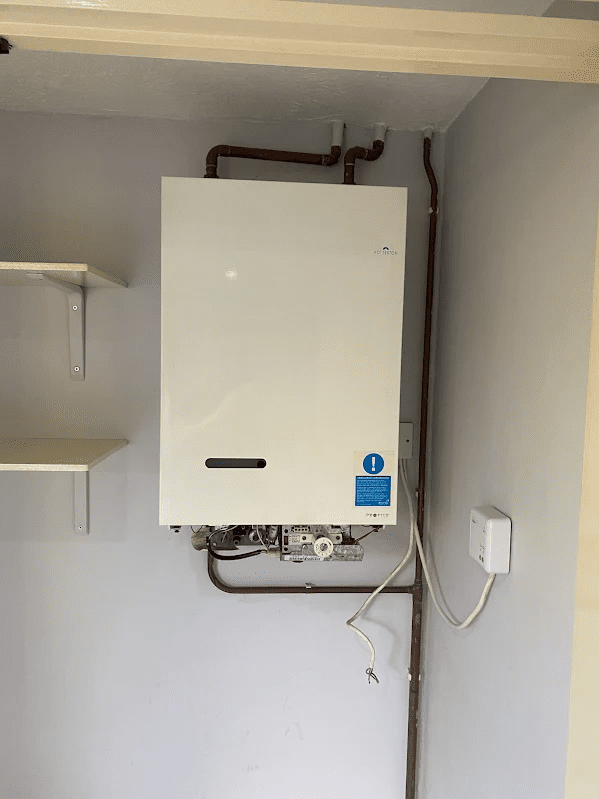
Low pressure manifests through several noticeable changes in your heating system’s performance. Radiators may feel cooler than usual or fail to heat up completely, particularly those furthest from your boiler. Hot water flow from taps and showers often reduces significantly, and water temperature may fluctuate unexpectedly during use.
Your boiler might display error codes on its digital panel, frequently showing fault messages related to pressure or circulation problems. Some systems automatically shut down when pressure drops too low, activating safety mechanisms that prevent damage to internal components like the heat exchanger.
How to Read the Pressure Gauge
The pressure gauge features a needle indicator and colored zones marking safe operating ranges. Green zones typically indicate normal pressure (1-2 bars), while red zones warn of dangerously low or high pressure conditions. Digital displays on modern boiler controls show precise pressure readings numerically.
Take pressure readings when your heating system is cold for accurate measurements. Note the reading and compare it to your boiler manufacturer’s specifications, usually found in your user manual or on a label near the unit.
- Causes of Low Boiler Pressure
Understanding why low boiler pressure Hitchin homes experience helps identify appropriate solutions and prevents recurring issues with your heating system.
Leaks in the System
Water leaks represent the most common cause of pressure loss in domestic heating systems. Small leaks in pipes, radiator valves, or joints allow water to escape gradually, reducing overall system pressure over time. Visible water damage around radiators, damp patches on walls, or puddles near heating components indicate active leaks requiring immediate attention.
Internal leaks within the boiler itself can occur around seals, gaskets, or the heat exchanger, though these issues require professional diagnosis by a gas safe engineer. Even minor drips can cause significant pressure drops over days or weeks.
Recent Bleeding of Radiators
Bleeding radiators to remove trapped air naturally reduces system pressure as water escapes along with the air. This normal maintenance procedure requires system repressurization afterward to restore optimal operating conditions. Many homeowners forget this crucial follow-up step, leading to low pressure issues.
Faulty Valves or Components
Defective pressure relief valves may discharge water unnecessarily, creating artificial pressure drops in otherwise sound systems. Malfunctioning automatic bypass valves, damaged diverter valve components, or failing expansion vessels can also contribute to pressure instability. These mechanical failures typically require professional assessment and replacement.
- Step-by-Step Guide to Repressurizing
Restoring proper pressure levels resolves most low boiler pressure Hitchin residents encounter, following these systematic procedures ensures safe, effective results.
Using the Filling Loop
Locate your boiler’s filling loop – typically a braided metal hose with two isolation valves beneath the unit. Ensure your boiler is switched off at the power supply and cooled completely before beginning. This safety precaution prevents scalding from hot water and protects electrical components.
Connect the filling loop if it’s detachable, ensuring secure connections at both ends. Slowly open both valves while monitoring the pressure gauge carefully – pressure should rise gradually and steadily. The process typically takes 2-3 minutes to reach optimal levels.
Close both valves immediately when pressure reaches 1.5 bars to prevent over-pressurization. Remove or disconnect the filling loop according to manufacturer instructions to prevent accidental flooding.
Safety Checks While Repressurizing
Follow these essential safety protocols to ensure secure repressurization without risking damage to your system or personal injury:
- Monitor the pressure gauge continuously during the filling process – never leave the area while valves are open
- If pressure rises too quickly or exceeds 2.5 bars, close valves immediately and allow excess pressure to dissipate through normal system operation
- Check for leaks around the filling loop connections throughout the process
- Verify that your fuse box or circuit breaker hasn’t tripped during the procedure, as some systems include electrical safety interlocks
- Test your smart thermostat or heating controls to ensure proper system communication after repressurization
What to Avoid
Avoid these common mistakes that can cause damage or create safety hazards during repressurization:
- Never attempt repressurization while your boiler is hot or operating – this can cause dangerous pressure spikes and potential component damage
- Don’t exceed manufacturer-recommended pressure levels, as over-pressurization triggers safety valves and can damage seals, gaskets, or the heat exchanger
- Avoid using the filling loop as a permanent connection – it should only be attached during repressurization procedures
- If pressure drops repeatedly after refilling, discontinue attempts and contact a heating engineer for professional diagnosis
- Preventing Future Pressure Problems
Proactive maintenance prevents recurring low boiler pressure. Homeowners in Hitchin can implement these measures to ensure their heating systems operate reliably throughout the year.
Regular Maintenance Tips
Implement these preventive measures to maintain stable pressure levels and extend your heating system’s lifespan:
- Check your pressure gauge monthly when the system is cold, noting any gradual decreases that might indicate developing leaks
- Inspect visible pipework, radiator valves, and connections regularly for signs of water damage or corrosion
- Address minor leaks promptly before they cause significant pressure loss
- Bleed radiators annually or when you notice cold spots, but always repressurize the system afterward
- Schedule professional servicing before winter months to ensure optimal performance during peak demand periods
- Keep your filling loop accessible but properly stored when not in use
When to Schedule a Professional Service in Hitchin
Annual boiler servicing by a gas safe registered engineer identifies potential pressure-related issues before they cause system failures. Professional maintenance includes checking seals, gaskets, and safety valves that homeowners cannot safely inspect. Expert technicians can detect early signs of heat exchanger problems, frozen condensate pipe issues, or other complex faults.
Schedule emergency service if you experience frequent pressure drops, persistent error codes, or unusual noises from your gas appliance. Professional diagnosis ensures safe, lasting solutions for recurring pressure problems.
- When to Call an Engineer
Certain low boiler pressure Hitchin situations require immediate professional intervention to ensure safety and prevent costly damage to your heating system.
Warning Signs of Serious Issues
Contact a heating engineer immediately if pressure drops occur daily despite repeated repressurization attempts. Unusual noises, visible leaks around the boiler, persistent error codes, or pilot light problems indicate complex issues beyond DIY solutions. Signs of carbon monoxide exposure (headaches, dizziness, nausea) require immediate evacuation and emergency gas services.
Why Professional Help is Crucial
Gas safe engineers possess specialized equipment and training to diagnose internal component failures, electrical faults, or gas supply issues safely. Professional repairs maintain warranty coverage and ensure compliance with safety regulations. Attempting complex repairs yourself risks personal safety and can cause additional damage requiring more expensive professional intervention.
Conclusion
While basic repressurization resolves many pressure issues, professional expertise ensures long-term reliability and safety for your home’s heating system.
At Pro Boiler Care Limited, we understand how frustrating recurring pressure problems can be for Hitchin families. Our Gas Safe-registered engineers provide comprehensive boiler repairs and annual servicing throughout Hitchin and the surrounding areas. With over 22 years of experience diagnosing pressure-related issues, we quickly identify underlying causes and provide lasting solutions that prevent future breakdowns.
Don’t let low-pressure issues disrupt your comfort – contact Pro Boiler Care Limited today for expert diagnosis and professional repair services that keep your Hitchin home warm and safe.