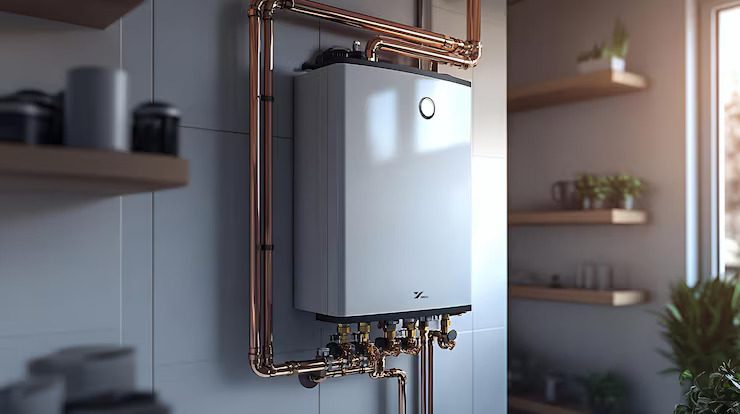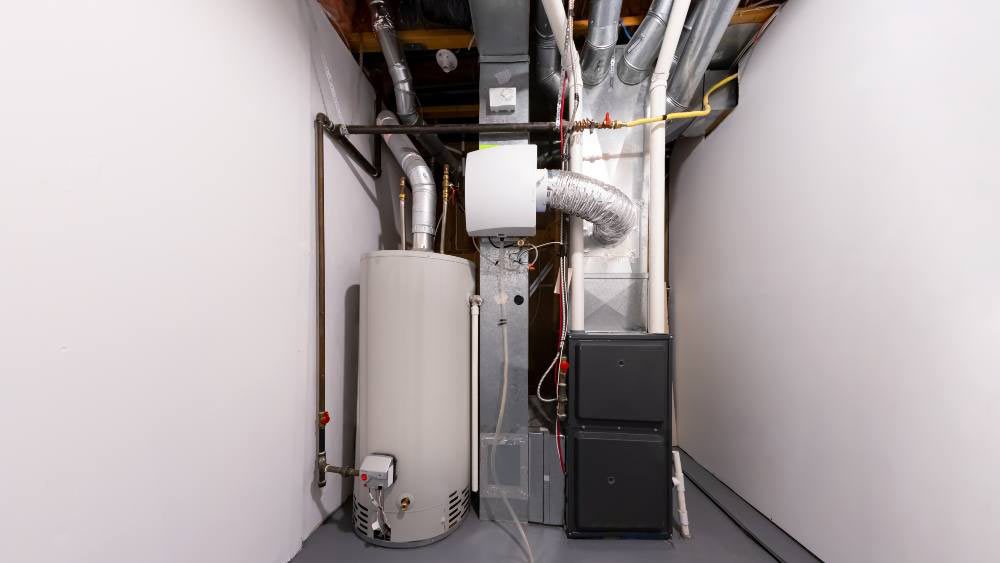
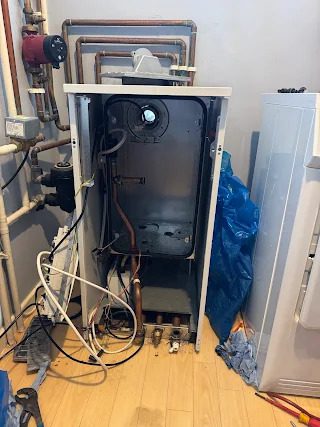
When the temperatures drop, your boiler becomes the most important appliance in your home.
A sudden breakdown in the middle of winter can cause major inconvenience, costly repairs, and even safety risks.
With the right care and regular checks, you can keep your boiler running smoothly all season long.
Here are the top tips for winter boiler maintenance every homeowner should follow.
1. Book an Annual Boiler Service
The single best way to prepare your boiler for winter is to arrange a professional service. A Gas Safe engineer will check for leaks, test the pressure, clean essential parts, and ensure the system is running safely and efficiently. Not only does this reduce the risk of breakdowns, but it also helps to keep your energy bills lower.
2. Check the Boiler Pressure
Your boiler pressure should usually sit between 1.0 and 1.5 bar when the system is cold. If it is too low, the boiler may struggle to heat your home. Too high, and it could put unnecessary strain on the system. Adjusting pressure is often simple using the filling loop, but if it keeps dropping or rising, get an engineer to investigate.
3. Bleed Your Radiators
Air trapped inside radiators reduces efficiency and makes your boiler work harder. If you notice cold spots or gurgling noises, it is a sign your radiators need bleeding. Use a radiator key to release trapped air, but always check and top up the boiler pressure afterwards.
4. Insulate Pipes to Prevent Freezing
Frozen condensate pipes are one of the most common causes of winter boiler breakdowns. If your boiler stops working and you see an error code, the pipe leading outside may have frozen. Insulating pipes with foam lagging is a simple way to prevent this, and it can save you from an untimely callout.
5. Test Your Heating Early
Do not wait until the coldest day of the year to switch on your heating. Run the system in autumn to check everything is working properly. This gives you time to arrange repairs before winter demand makes booking an engineer harder.
6. Keep the Boiler Area Clear
Your boiler needs space around it for ventilation and easy access. Avoid storing boxes, clothes, or other items near the unit. A clutter-free space also makes it easier for an engineer to carry out servicing or repairs.
7. Set Your Thermostat Smartly
Using a smart thermostat or programming your heating efficiently reduces strain on your boiler. Avoid turning the heating on and off too often. It is better to maintain a steady, comfortable temperature rather than making the boiler work harder with big temperature jumps.
8. Watch for Warning Signs
Strange noises, frequent pressure drops, or unusual smells can all signal problems. Do not ignore them. Early intervention often prevents costly breakdowns.
9. Know Your Boiler’s Age
If your boiler is over 10–15 years old, even with good maintenance, it may be less efficient and more prone to faults. Upgrading to a modern, energy-efficient model could save money in the long run and provide more reliable heating during harsh winters.
Final Thoughts
Winter boiler maintenance does not have to be complicated. With a mix of simple homeowner checks and professional servicing, you can keep your home warm, safe, and energy efficient throughout the colder months.
Taking action now prevents unexpected breakdowns, reduces energy bills, and gives you peace of mind when you need heating the most.
Frequently Asked Questions About Winter Boiler Maintenance
How often should I service my boiler?
You should book a professional boiler service once a year. An annual service ensures your boiler is running safely, efficiently, and in line with the manufacturer’s warranty.
What should I do if my boiler stops working in winter?
Check the basics first, such as boiler pressure, thermostat settings, and whether the condensate pipe is frozen. If the problem persists, contact a Gas Safe engineer for a professional repair.
Can frozen pipes damage my boiler?
Yes. A frozen condensate pipe can stop your boiler from working and may even lead to damage if not dealt with quickly. Insulating your pipes is the best prevention.
How do I know if my radiators need bleeding?
If your radiators have cold spots, heat unevenly, or make gurgling noises, they likely have trapped air and need bleeding.
Is it normal for boiler pressure to drop in winter?
It is common for pressure to fluctuate slightly, but a persistent drop usually indicates a leak or fault. If topping up does not solve the issue, call an engineer.
Should I leave my heating on all the time in winter?
It is not necessary to keep your heating on 24/7. Instead, set your thermostat to maintain a steady temperature. This is more efficient and puts less strain on your boiler.
What temperature should I set my thermostat to in winter?
A comfortable and efficient range is typically between 18°C and 21°C. Avoid making drastic changes, as they can increase energy use.
How can I reduce my energy bills in winter without overworking my boiler?
Bleeding radiators, insulating pipes, and using a smart thermostat can all improve efficiency. An annual service also keeps your boiler running at its best.
How long do boilers usually last?
Most boilers last 10 to 15 years. Older systems may still work, but they are often less efficient and more prone to breakdowns.
What are the most common boiler problems in winter?
Frozen pipes, pressure loss, faulty thermostats, and ignition issues are among the most frequent winter boiler problems. Regular maintenance reduces the risk.