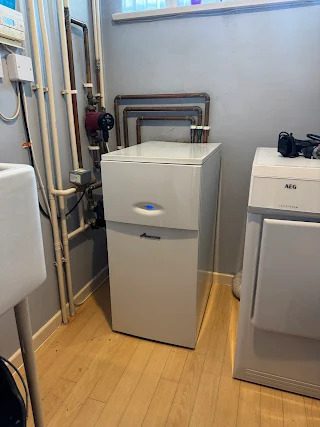
Boilers are designed to maintain a stable level of pressure so they can circulate hot water through radiators and pipes effectively. If the pressure drops too low, the system may stop working altogether, leaving you without heating or hot water. Fortunately, this is a common issue and often easy to resolve with the right steps.
Why Boiler Pressure Matters
Boiler pressure is the balance of water and air inside your heating system. When the pressure is at the correct level, the boiler can circulate hot water efficiently.
- Too low → The boiler may switch off to protect itself, radiators won’t heat properly, and hot water may be unreliable.
- Too high → The system could be under stress, potentially causing leaks or damage.
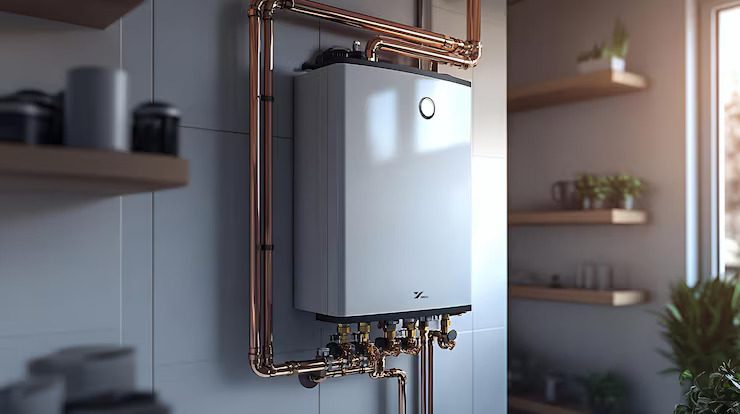
Most modern boilers have a pressure gauge on the front panel, typically showing a green zone (safe) and a red zone (too low or high).
Common Causes of Low Boiler Pressure
A boiler may lose pressure for several reasons, including:
- Leaks in the heating system – Even small drips from pipes, valves, or radiators can cause pressure to drop.
- Bleeding radiators – Releasing trapped air from radiators also releases pressure, which needs topping up afterwards.
- Faulty pressure relief valve – This safety device may allow water to escape if it detects excess pressure.
- Expansion vessel issues – If the expansion vessel inside the boiler isn’t working properly, pressure can fluctuate.
Step-by-Step: What to Do If Your Boiler Loses Pressure
1. Check the Pressure Gauge
Look at the gauge on your boiler. Most boilers operate best between 1.0 and 1.5 bar when cold. If it’s below 1, the system may need topping up.
2. Inspect for Visible Leaks
Walk around your home and check pipes, radiators, and the boiler itself for signs of water leaks. Even a small puddle or damp patch can be a clue. If you find a leak, you’ll need a Gas Safe engineer to fix it before repressurising.
3. Repressurise the Boiler
Most modern boilers have a filling loop — a small silver hose with two valves, usually under the boiler.
Steps to repressurise:
- Turn off the boiler and let it cool.
- Locate the filling loop and open both valves slowly.
- Watch the gauge rise to between 1.0–1.5 bar.
- Close the valves securely and switch the boiler back on.
Always follow your manufacturer’s instructions, as the process can vary by model.
4. Bleed Radiators (If Needed)
After repressurising, check if your radiators are heating evenly. If not, air may still be trapped. Bleeding them can help, but remember to check the boiler pressure again afterwards, as bleeding lowers it.
5. Monitor for Recurring Pressure Loss
If the boiler keeps losing pressure even after topping up, this may point to an internal fault (e.g., expansion vessel failure) or a hidden leak. This is when professional help is needed.
When to Call an Engineer
While repressurising is often simple, there are situations where you should not attempt DIY fixes:
- You notice water leaking from the boiler.
- Pressure drops repeatedly within a short time.
- You hear unusual noises (gurgling, banging, hissing).
- The boiler won’t restart even after topping up.
In these cases, a qualified Gas Safe engineer can safely inspect, repair, and restore your heating system.
Preventing Boiler Pressure Problems
- Book an annual boiler service to keep components working properly.
- Keep an eye on the pressure gauge and act quickly if it drops.
- Check radiators for leaks or corrosion.
- Make sure the expansion vessel is inspected during servicing.
Final Thoughts
A drop in boiler pressure is one of the most common boiler faults, and in many cases, homeowners can safely repressurise the system themselves. However, if pressure loss becomes a regular problem, it’s best to have an expert investigate to avoid further damage.