Deciding when to retire your old boiler system is rarely a simple “yes or no” choice until it stops working on the coldest night of the year. For many, a replacement boiler represents a significant investment, but it’s one that often pays for itself through lower energy bills and improved reliability.
If you find yourself constantly resetting the control system or calling out a heating engineer, it might be time to stop patching up the past and start looking at a modern, high-efficiency boiler solution.
Typical Boiler Lifespan and Age Indicators
Most modern water boilers and combination boilers have an average lifespan of 10 to 15 years. While a well-maintained central heating system can sometimes push toward the two-decade mark, its efficiency typically drops significantly after year twelve.
You can usually check the age of your unit by looking at the serial number on the data plate or checking your maintenance records. If your home still relies on an old natural draft venting unit with a permanent pilot light flame, you are likely losing a staggering amount of heat through the flue. At this age, replacement parts and spare parts become increasingly difficult to source, often leading to longer downtimes during repairs.
Warning Signs: Frequent Breakdowns, Noises, Leaks
Your heat system will often “talk” to you before it fails completely. Persistent banging, whistling, or gurgling sounds usually point toward a failing heat exchanger or a pump seals issue. Water pooling or a visible water leak around the base of the unit is a major red flag, corrosion in the pressure vessel or internal heat exchanger needs replacing can quickly lead to property damage.
Furthermore, if you’re constantly manually topping up the water pressure because of a recurring pressure issue, the internal components are likely reaching their limit. A boiler that requires more than two significant repairs in a single season is a system that has become a financial drain.
Energy Efficiency: Old vs New (ERP Ratings, Condensing Tech)
The jump in efficiency ratings over the last decade is remarkable. Older “G-rated” boilers might only operate at 60% efficiency, meaning 40p of every pound spent on gas is pure energy waste. In contrast, a modern modulating-condensing boiler achieves an Annual Fuel Utilization Efficiency (AFUE) or ErP rating of 92% or higher. This is achieved through condensing boiler technology, which captures heat from exhaust gases that would otherwise escape.
Upgrading to a high-efficiency boiler model can significantly slash your energy costs and reduce your home’s reliance on fossil fuels, supporting the broader transition toward Net Zero targets.
Repair or Replace? Cost-of-Repair Thresholds and Payback
A helpful rule of thumb for any property owner is the “50% rule”: if a single repair costs more than half the price of a new hot-water boiler installation, it’s time to replace. When you factor in the efficiency gains of a new unit, the payback period, which is the time it takes for fuel savings to cover the installation cost, is often shorter than you think.
While it’s tempting to keep an old steam system or gravity boilers running, the cumulative cost of emergency call-outs and high energy consumption usually outweighs the upfront cost of a new hydronic heating system.
Comfort and Performance: Hot Water, Pressure, Zoning
Beyond the bills, a new heating system dramatically improves indoor air quality and daily comfort. If your current shower experiences a sudden pressure issue or the hot water takes ages to reach the tap, your old boiler is likely struggling with the heat load.
Modern systems integrate perfectly with smart thermostats and controls, allowing for sophisticated “zoning.” This means you can heat only the rooms you are using, rather than the entire house. Switching to a combination boiler setup can also provide instantaneous hot water, eliminating the need for a bulky cylinder and improving the thermal boundary of your home.
Safety and Compliance: Gas Safe, Boiler Plus, CO Alarms
Safety is the ultimate factor. An aging boiler is more prone to a gas leak or, more dangerously, the production of carbon monoxide. Always ensure you have functioning CO alarms and that any work is carried out by a Gas Safe-registered heating contractor.
Current Boiler Plus regulations in the UK mandate that all new installations meet strict efficiency standards and include specific safety features like sealed combustion venting. If your old boiler doesn’t meet modern standards, it could even affect your home insurance or be flagged during a survey if you decide to sell your property.
Choosing the Right Replacement: Combi, System, Regular
Choosing a replacement depends on your household’s demand. Combination boilers are the gold standard for smaller homes, heating water directly from the mains. For larger families with multiple bathrooms, a boiler system (system boiler) with a separate pressure in the tank cylinder might be better.
If you are looking for a greener energy source, you might discuss an air source heat pump or solar water heating during your in-home consultation. While steam boilers and fire-tube boiler units are rarer in modern domestic settings, an expert can help you decide if a mini-split heat pumps system or a traditional hot-water heating upgrade is right for your architecture.
Best Time to Replace and Installation Timeline
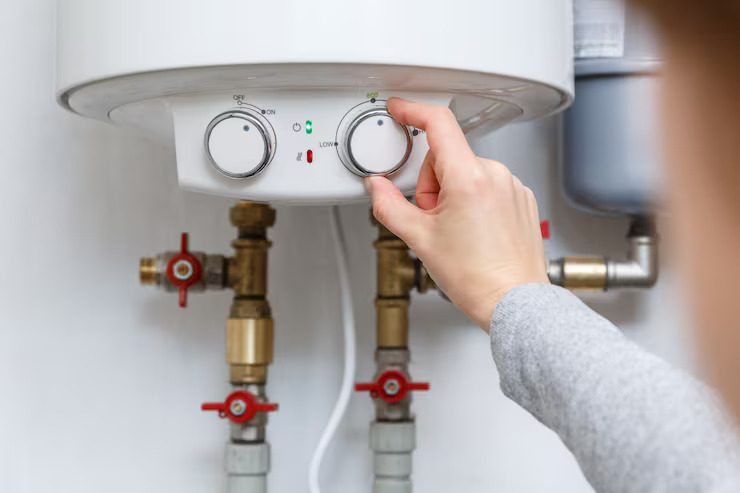
Don’t wait for a total breakdown. The best time for a replacement boiler is during the summer or spring when heating engineer schedules are more flexible. A standard “like-for-like” swap usually takes one day, while a full system conversion (e.g., moving from a regular boiler to a combi) might take two to three days. During this time, the system needs to be flushed to remove “sludge” and debris, ensuring your new heat exchanger isn’t damaged by old contaminants in the pipework.
Budgeting, Warranties, and Grants/Finance Options
While the cost is a factor, many manufacturers offer 10-year warranties that provide a decade of peace of mind. Check for local energy rebates, tax credits, or government grants designed to lower the cost of switching from high-carbon oil burner units to efficient gas or electric options. Many providers also offer finance plans to spread the cost.
At Pro Boiler Care Limited, our Gas Safe experts provide a thorough in-home consultation to help you select the perfect replacement boiler. From ensuring your programmable thermostat is set for peak efficiency to providing a professional boiler installation service, we make the upgrade seamless.