As the backbone of your home’s comfort, your boiler works quietly behind the scenes to provide heating and hot water. However, many homeowners only think about their heating system when something goes wrong.
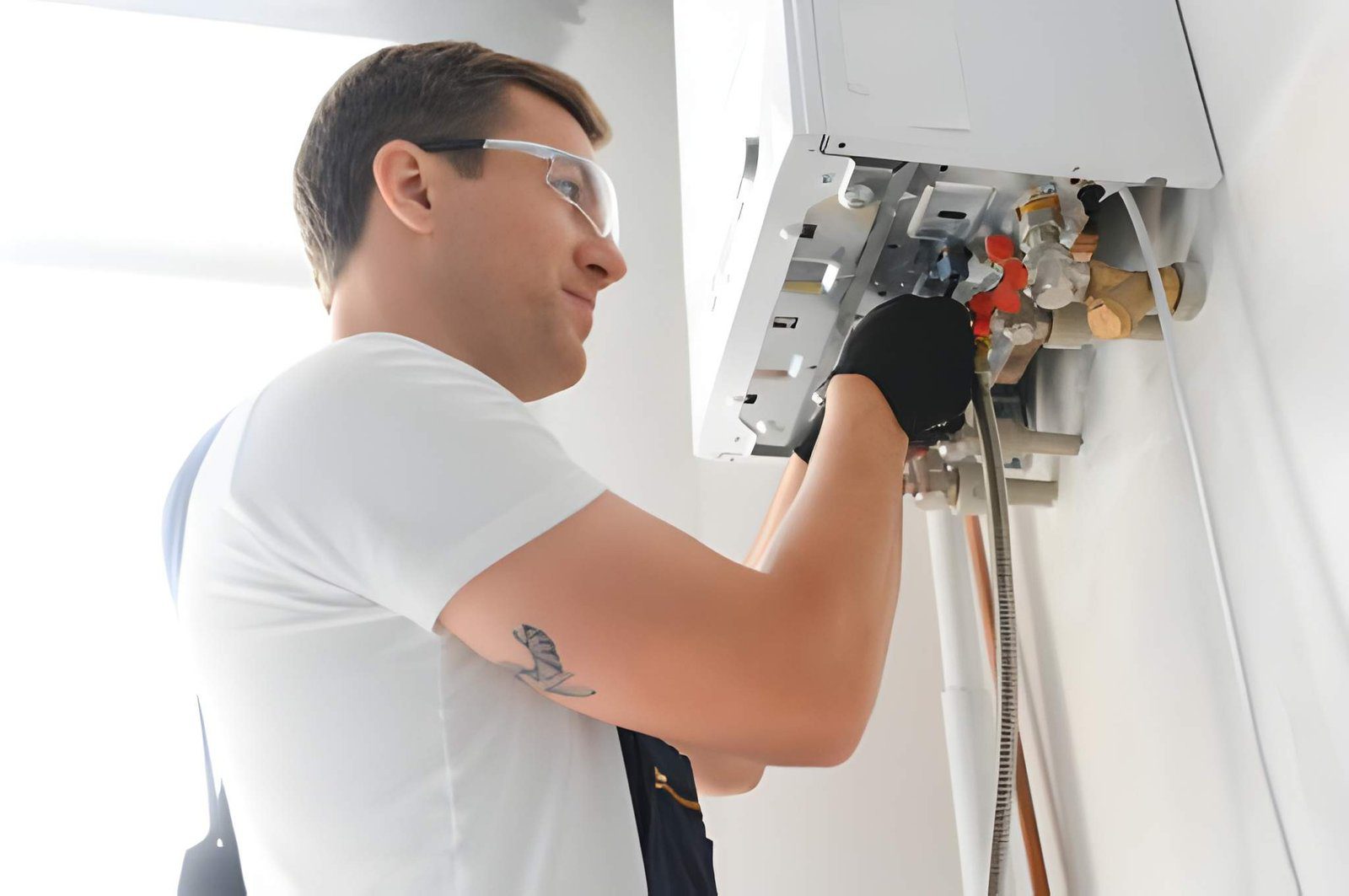
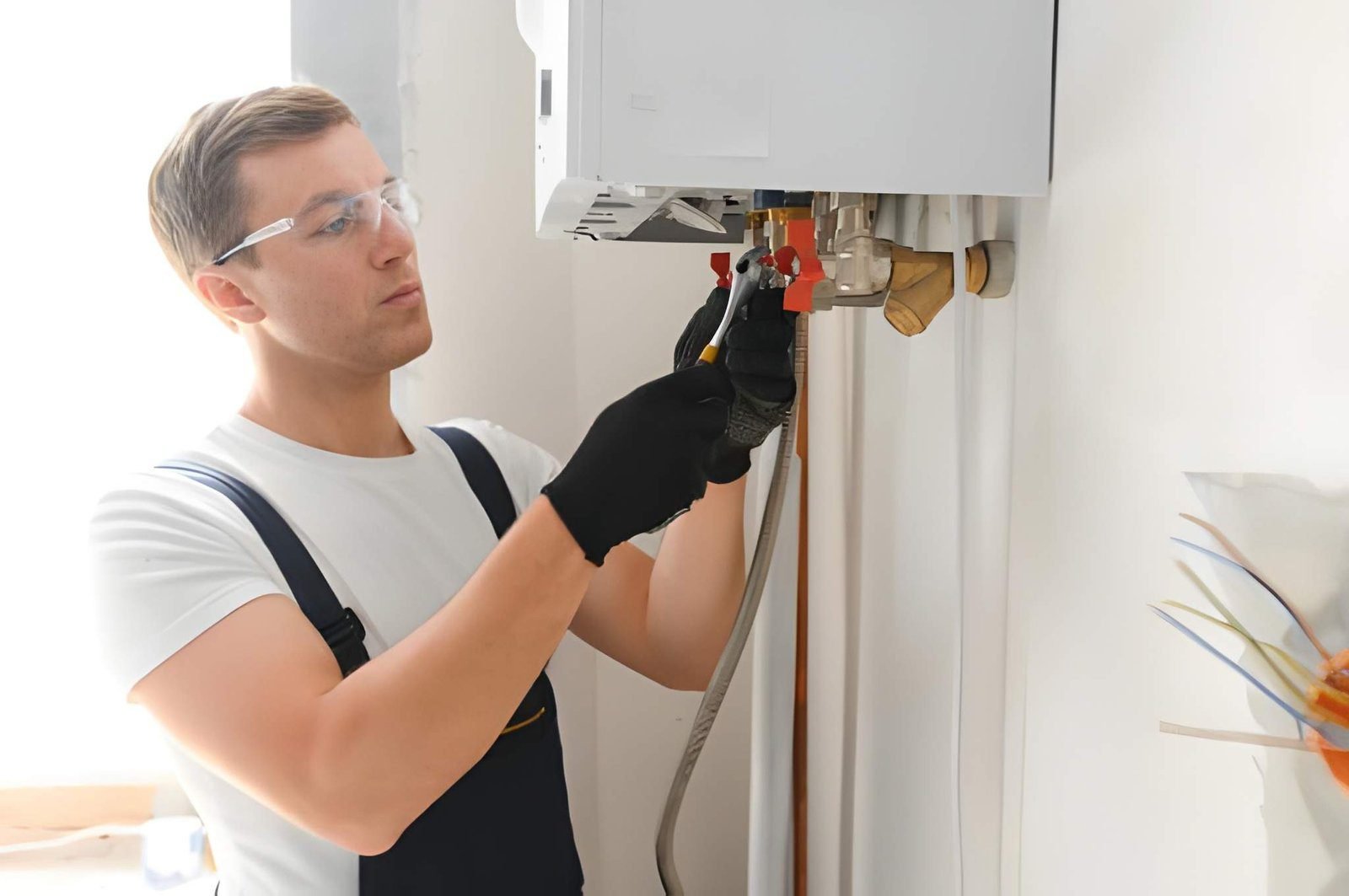
An annual boiler service is the ultimate preventative measure. It ensures your unit runs smoothly, stays efficient, and remains completely safe. If you want to know exactly what a Gas Safe engineer does during a routine check, this step-by-step guide breaks down the standard professional inspection process.
Why Regular Boiler Servicing Is Essential
Skipping an annual boiler service might seem like a minor oversight, but it drastically impacts both safety and your wallet. Over time, soot and debris naturally accumulate inside the unit, leading to dropping efficiency and surging energy bills.
Regular routine maintenance allows heating engineers to catch minor faults before they become catastrophic, expensive boiler repairs in the depths of winter. Furthermore, if you own a modern condensing boiler or combination boilers, a yearly inspection is vital. Brands like Worcester Bosch and Ideal Heating require an annual maintenance check as a strict condition of their warranty terms.
What Happens Before the Service Begins
Before turning a single screwdriver, a professional Gas Safe registered engineer will start with a quick diagnostic conversation. They will ask if you have noticed any fluctuating water pressure, slow heat-up times, or unusual system noises during daily operation.
Following this, the engineer will complete a few preparatory safety checks:
- Isolate Electrical Supply: Turning off the power to the unit to guarantee a safe working environment.
- Location Assessment: Checking that the boiler complies with modern safety regulations regarding its position in the property.
- Clearance Check: Ensuring the unit has adequate clearance from household items and proper accessibility for the upcoming internal inspection.
Visual Inspection and Safety Checks
The hands-on process begins with a meticulous visual assessment of the boiler’s external condition and surrounding setup.
- Casing and Pipework: The engineer closely examines the outer boiler casing, visible joints, and connecting pipework for early signs of distress, such as corrosion or weeping water.
- Flame Verification: They will verify that the burner displays a healthy, crisp blue flame rather than a lazy yellow or orange tone, which could hint at a poor combustion process.
- Immediate Hazard Check: This initial stage is crucial for identifying obvious safety hazards or installation flaws before removing the outer cover.
Internal Component Checks and Cleaning
Once the outer casing is safely removed, the engineer accesses the core mechanical systems of your gas boilers. Dust and carbon deposits naturally accumulate here over months of heavy use.
The technician will focus on cleaning and inspecting several main components:
- Heat Exchanger: Removing any debris to ensure efficient heat transfer and prevent overheating.
- Burner Unit & Spark Electrodes: Cleaning these parts thoroughly to ensure a reliable ignition system.
- Condensate Trap: Removing and flushing out the trap, which collects acidic wastewater during the condensing process.
- System Filter: For homes with system boilers or combi setups, the engineer will check the system filter to clear out any trapped magnetic sludge.
Gas Pressure, Combustion, and Performance Testing
Next, the technician evaluates how effectively your heating system burns fuel and manages gas pressure flow.
- Combustion Analysis: Using a specialized digital flue gas analyser, the Gas Safe engineer records the precise emissions leaving your property. This serves as the single most effective shield against dangerous carbon monoxide leaks.
- Gas Pressure Check: The engineer checks the operational gas pressure to confirm that the appliance is receiving exactly the right amount of fuel.
- Gas Flow Rate: Measuring the flow rate ensures the boiler functions at peak energy efficiency, directly helping to lower your energy bills.
Controls, Thermostat, and System Function Tests
A boiler is only as good as the controls regulating it. The engineer will fire up the central heating system to observe it in active operation.
They will test the timing controls, internal safety devices, and the thermostat to guarantee they are communicating perfectly with the appliance. Whether you rely on traditional programmable room thermostats or modern smart heating controls, verifying that the unit shuts down correctly when reaching the target temperature ensures you aren’t wasting fuel, protecting your long-term comfort.
Flue, Ventilation, and Emissions Checks
The flue pipe is responsible for safely expelling harmful combustion byproducts out of your home.
- Flue Integrity: The engineer will inspect the entire length of the flue system, ensuring all brackets are secure and joints are perfectly sealed against leaks.
- Terminal Clearance: They will step outside to examine the external flue terminal, checking that it is entirely free from obstructions like nesting birds or autumn leaves.
- Airflow Verification: Proper ventilation ensures that air circulates freely around the appliance, completely eliminating the risks associated with indoor air pollution or fatal carbon monoxide poisoning.
Boiler Pressure, Seals, and Leak Inspection
With the system warm, the engineer turns their attention to water pressure management and tight seals.
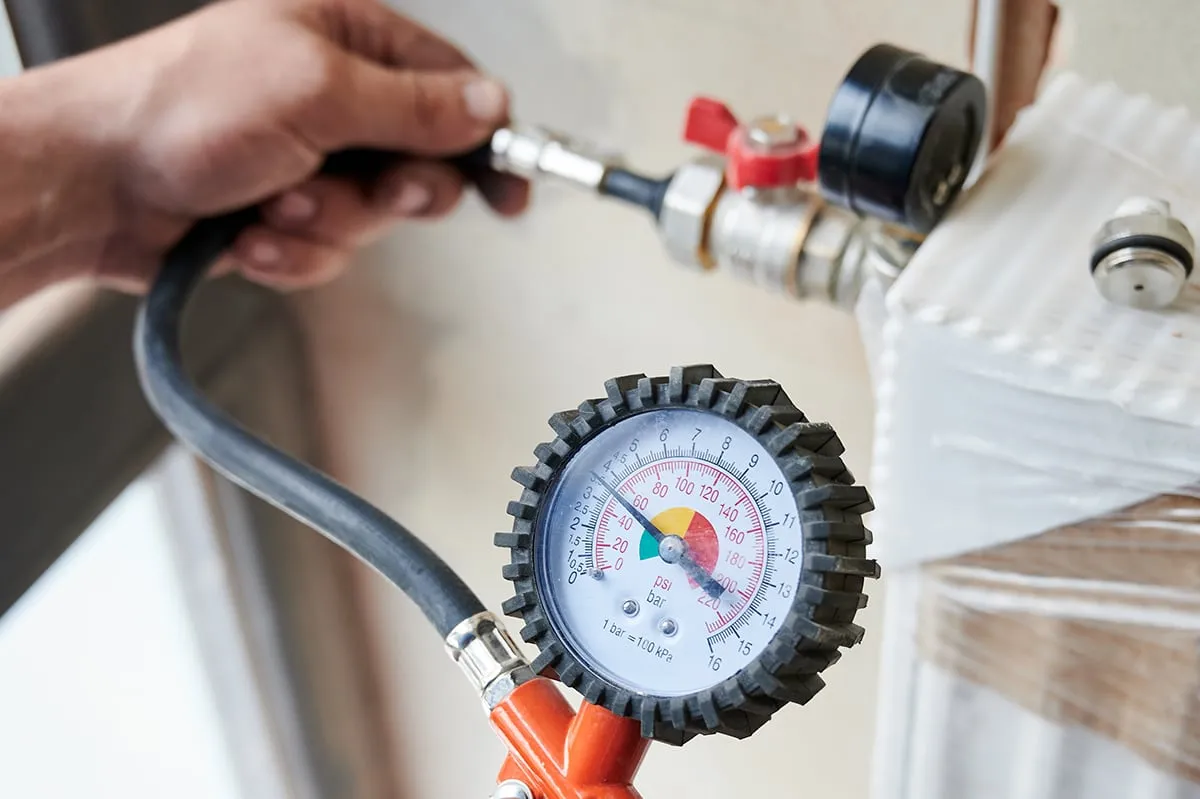
- Pressure Gauge Inspection: Checking that the cold and hot water pressure falls within the recommended 1.0 to 1.5 bar limits to prevent circulation issues.
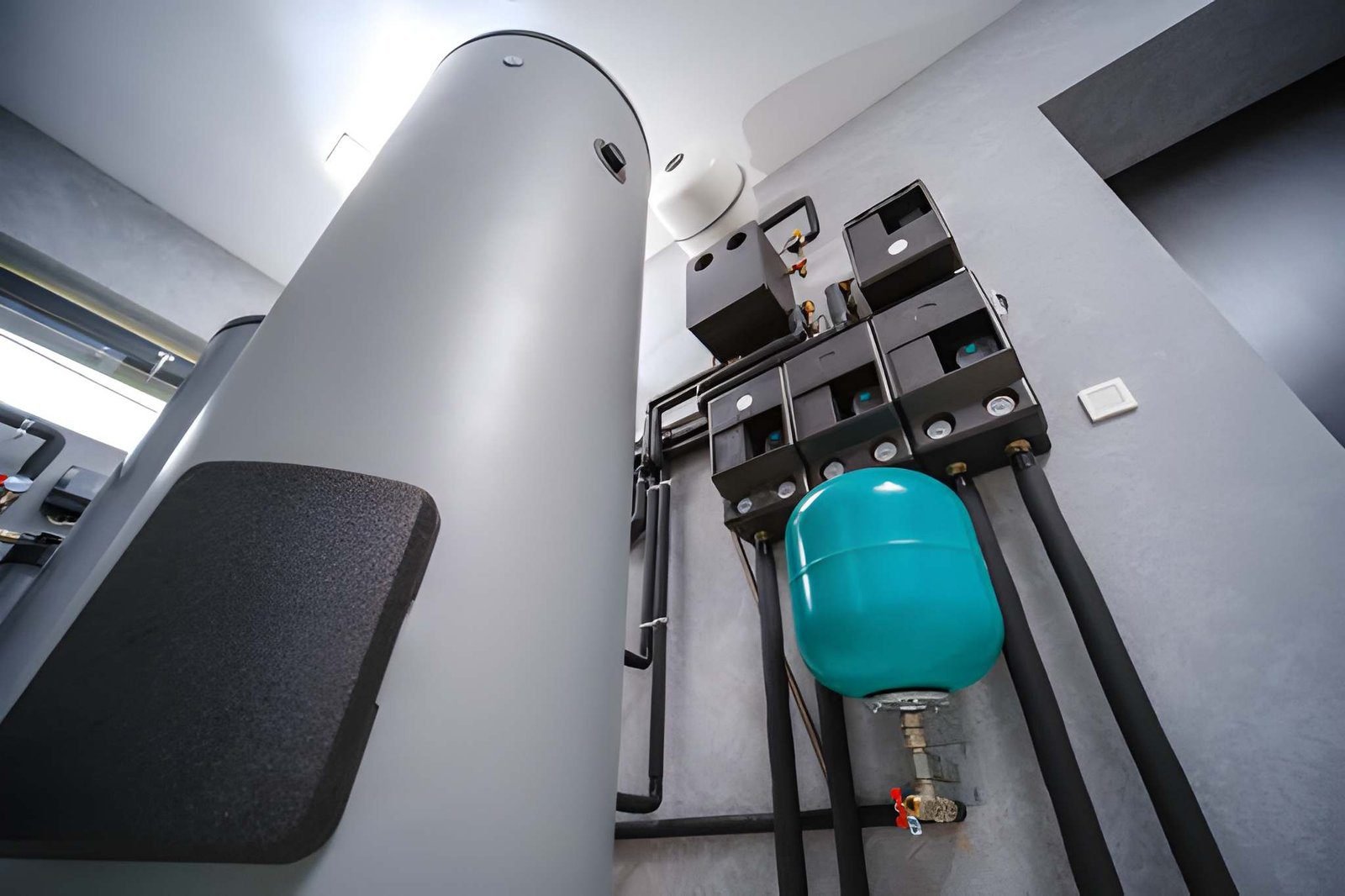
- Expansion Vessel Test: Testing the expansion vessel and pressure relief valve to ensure the system can safely manage water expansion.
- Gas Tightness Test: A rigorous soundness test is conducted on the main gas pipelines and water seals to ensure there is zero risk of an undetected gas leak.
Service Report, Advice, and Next Steps
To conclude the visit, the engineer compiles a comprehensive service report detailing the health of your appliance.
- Log Book Completion: The technician will fill out the physical log book or Benchmark checklist, documenting all pressure readings and emissions ratios for your warranty terms.
- Landlord Certification: If you are a landlord, this data is used to issue your formal Landlords Boiler Service Gas Safety Certificate (CP12 certificate).
- Efficiency Advice: The engineer will hand over the report and offer quick energy-saving advice based on your current setup.
Conclusion
At Pro Boiler Care, we believe a great boiler service is about more than just checking boxes on a technical spreadsheet; it’s about providing genuine peace of mind. Our local Gas Safe registered engineers they treat your home with the utmost respect.
We make sure to leave our workspace spotless and take the time to explain your system’s health to your full satisfaction.
We treat every customer like a neighbour, offering honest tips to help keep your heating costs down. When you choose us, you are getting friendly, local trade experts dedicated to keeping your family safe and warm.