Choosing the right boiler size is one of the most critical decisions you will make when upgrading your heating system. Unlike clothing, where “one size fits all” or buying a size up is harmless, a boiler must be precisely matched to your home’s unique footprint.
If your unit is too small, your house will remain cold during the winter; if it is too large, your energy bill will skyrocket. This guide simplifies the sizing process to help you find the perfect match for your property’s heating and hot water demand.
Why Boiler Size Matters for Comfort and Efficiency
When discussing boiler size, we aren’t talking about the physical dimensions of the unit, but rather its heating output measured in kilowatts (kW). Installing an incorrectly sized gas boiler severely impacts both your daily comfort and your wallet.
An undersized unit will struggle to meet your heating demand, leaving you with lukewarm showers and cold radiators. Conversely, an oversized boiler leads to “short-cycling.” This occurs when a system fires up and shuts down rapidly, placing immense strain on internal heat exchangers, accelerating wear and tear, and drastically lowering energy efficiency.
Understanding Boiler Output (kW) Explained Simply
Boiler capacity is rated in kilowatts (kW), which measures how much energy the appliance outputs as heat. There are two distinct ratings to consider: power input (the energy the boiler consumes) and heating output (the actual heat delivered to your central heating system).
Modern condensing boilers use modulating control, allowing them to reduce their maximum output to match your immediate heat requirements. When browsing, you will see output ratings ranging from 12 kW to 40 kW or more. The higher the kW rating, the more heat and hot water the appliance can successfully distribute simultaneously.
Key Factors That Determine the Right Boiler Size
To find a new boiler that fits your lifestyle, a registered installation company looks at several intersecting variables rather than just a single metric:
- Insulation Integrity: Properties with modern cavity wall insulation, deep loft insulation, and double glazing require far less kW output because they are highly efficient at heat retention.
- Property Modifications: Existing draught-proofing measures directly reduce your property’s overall heat loss.
- Fuel Type: Your available energy source and your home’s interior infrastructure will also influence the specific models available.
Property Size and Number of Radiators
The structural scale of your home and the total number of radiators are the primary indicators for your heating output requirements. As a general rule of thumb, you can estimate your required kW boiler output based on your room count and number of bedrooms:
| Property Size | Average Radiator Count | Recommended Combi Size | Recommended System/Regular Size |
| Small Flat / House (1-2 beds) | Up to 10 radiators | 24 kW – 27 kW | 12 kW – 15 kW |
| Medium House (3-4 beds) | 10 to 15 radiators | 28 kW – 34 kW | 18 kW – 24 kW |
| Large House (4+ beds) | 15+ radiators | 35 kW – 40 kW+ | 30 kW+ |
A precise calculation ensures each room achieves ideal thermal comfort without over-specifying the boiler unit.
Bathrooms, Hot Water Demand, and Usage Patterns
Your household’s hot water demand patterns dictate the necessary domestic hot water output. If you have multiple bathrooms featuring hot taps running simultaneously, a standard combi boiler might struggle.
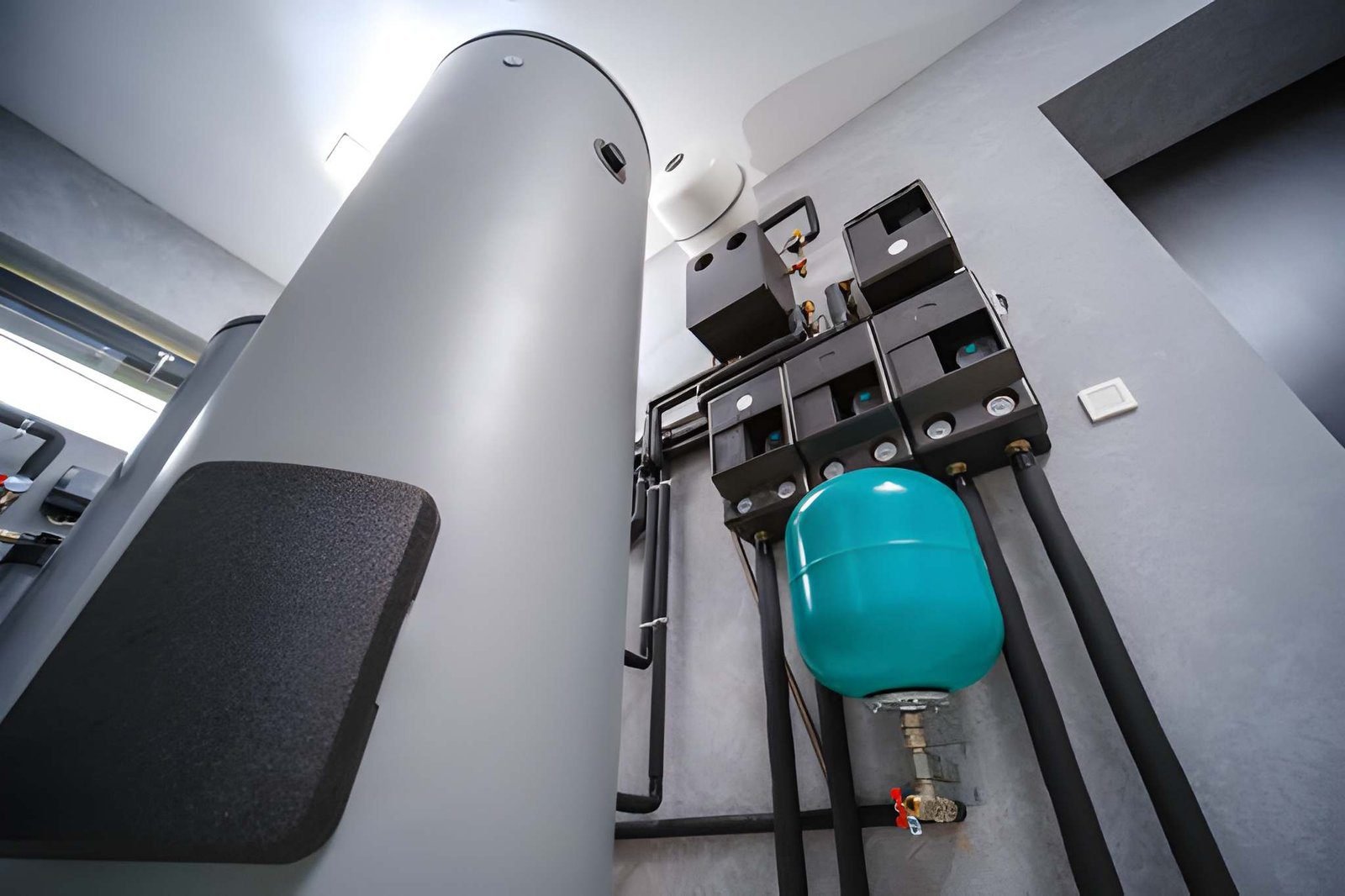
Combination boilers heat water instantly on demand directly from the mains water supply, meaning their hot water flow rate is limited by the incoming mains water flow rate. If your household has a high hot water demand, a system boiler or conventional boiler paired with an unvented hot water cylinder or insulated hot water tank is usually required to maintain a consistent water flow rate across multiple outlets.
Combi vs System vs Conventional Boiler Sizing
The mechanical architecture of your chosen system alters how the kW rating is allocated:
- Combi Boiler: These units require a higher kW rating (typically 24kW to 40kW) because they must instantly flash-heat cold mains water to provide hot water on demand.
- System Boilers: These units work alongside an external hot water cylinder. They need a lower rating (typically 12kW to 30kW) as they heat water gradually over time.
- Conventional Boiler: Also known as regular or heat-only boilers, these connect to an open vent tank system in the loft and use similar lower sizing metrics to system boilers.
Common Boiler Sizing Mistakes Homeowners Make
The most common error is choosing a replacement boiler based solely on the size of the old, existing heating system. Older gas furnaces and legacy back boiler systems were notoriously inefficient and heavily oversized to compensate for poor home insulation.
Another mistake is believing that buying the highest kW rating available guarantees a better experience. Without advanced modulating controls, a massive boiler in a small flat will waste energy, spike your fuel bills, and shorten the lifespan of vital internal components.
How an Engineer Calculates Boiler Size
To provide the best heating advice, a Gas Safe engineer carries out a professional heat loss survey. This involves calculating the volume of each room, checking for insulation gaps, and factoring in local climate conditions. The engineer translates these variables into British Thermal Units (BTUs) or kilowatts to establish the exact heat requirements of the building before recommending a modern model like the Worcester 4000 or Viessmann Vitodens 111-W.
When to Get a Professional Boiler Assessment
While a basic online boiler calculator can offer a helpful starting estimate, you should always consult a local professional before finalizing your purchase. A professional assessment is vital if you are planning home extensions, adding underfloor heating, or integrating renewable energy sources.
Conclusion
Finding the perfect boiler size is a balancing act between your property’s structural footprint and your family’s daily hot water demand. By moving away from oversized ageing systems and embracing modern, highly efficient condensing technology, you can protect your home’s comfort while successfully reducing your carbon footprint.
Are you ready to find the exact system specification for your property? Contact the expert team at Pro Boiler Care, and we will book an appointment with an experienced Gas Safe engineer to help you make the right choice.